
Use a sealed, airtight bin with a built‑in charcoal filter and a snug lid to block odors and keep liquids in. Line the container, empty it every 2–4 days, and wipe the interior with warm vinegar water after each emptying. Store the bin in the freezer or a cold spot to slow decomposition and reduce drips. Replace the charcoal filter every 3–4 months and check the seal regularly. Follow these steps and you’ll discover even more tricks for a fresh, mess‑free kitchen.
How to Keep an Indoor Compost Bin Odor-Free and Drip-Free

Ever wondered why your kitchen compost smells and drips? You can fix it by using a compost bin with an airtight lid and a charcoal filter. The sealed lid blocks odor escape while the filter absorbs gases, giving you solid odor control. Introducing a lined bag and regular maintenance can further reduce odors odor control and leaks in compact setups.
Seal the bin, add a charcoal filter, and keep it cold for odor‑free, drip‑free kitchen compost.
Drop kitchen scraps in a liner, then store the bin in freezer storage for moisture reduction; the cold slows decomposition and cuts drips.
Empty the bin every 2–4 days—regular emptying prevents fruit‑fly attraction and keeps leaks at bay.
When the filter gets saturated, replace it every few months to maintain freshness.
Finally, wipe the interior during cleanings to remove residue and keep the system hygienic.
These steps keep your indoor compost bin odor‑free and drip‑free.
Pick the Best Leak-Proof, Odor-Free Compost Bin for Your Kitchen
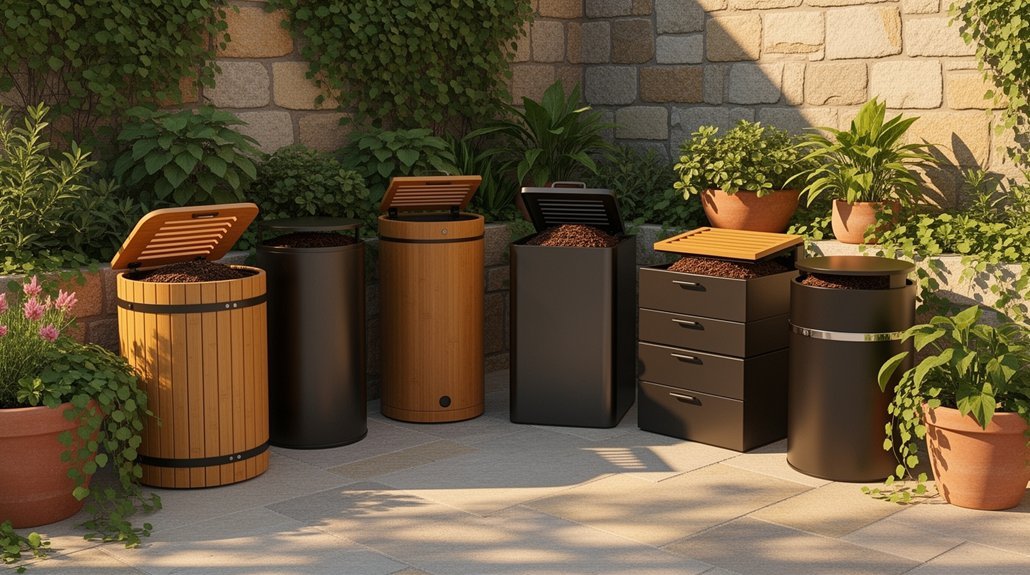
Looking for a compost bin that truly stops drips and bans odors? Choose a sealed, leak‑proof model with an airtight lid and a built‑in charcoal filter for superior odor control. Opt for a slim, seamless design that fits comfortably on countertop use and holds 1–2 gallons of food scraps—ideal for small kitchens. Dishwasher‑safe components make it easy to clean, while the tight‑fitting lid prevents any liquid from escaping. Prioritize bins that combine a charcoal filter with a secure seal, ensuring fresh kitchen composting without unpleasant smells. A modern, low‑profile shape lets you slide the bin under cabinets or keep it on the counter, delivering hassle‑free, odor‑free, leak‑proof performance every day. The Geobin and EcoCrock options illustrate how vented lids and replaceable filters can enhance odor control and longevity replaceable filters.
Maintaining Your Sealed Compost Bin: Tips & Troubleshooting

Keeping your sealed compost bin in top shape is simple if you follow a few routine steps. Start with routine emptying every 2–4 days, then cleaning with vinegar and warm water to keep odor control sharp and fruit fly prevention effective. Check the airtight lid for cracks, and replace the charcoal filter every few months to sustain fresh smells. Occasionally store the bin in the freezer to lock in odors between cleanings. Finally, monitor moisture levels; excess wetness invites leaks, while too dry material slows decomposition.
Routine emptying, vinegar cleaning, filter replacement, occasional freezer storage, and moisture control keep your sealed compost bin fresh.
- Empty the bin regularly (2–4 days).
- Clean with vinegar and warm water after each emptying.
- Replace the charcoal filter every 3–4 months.
- Use occasional freezer storage for extra odor control.
- Manage moisture and ensure the airtight lid seals tightly.
Frequently Asked Questions
What Is the Best Kitchen Compost Bin Without Smell?
You should choose a sealed bin with an airtight lid, charcoal filter, and easy‑release tray; it traps odors, prevents drips, and lets you empty it every few days for a fresh, smell‑free kitchen.
How to Make Kitchen Compost Not Smell?
You keep it odor‑free by sealing the lid tightly, adding a charcoal filter, using a freezer or ice to chill the waste, and balancing moisture to a wrung‑out sponge texture while avoiding meat, dairy, and oils.
What Are Three Items That You Should Never Put Into the Compost Bin?
You should never toss meat, dairy, oily foods, or glossy‑coated paper into your compost bin, because they attract pests, cause odors, and introduce non‑degradable materials that ruin the compost.
What Is the Lazy Compost Method?
You use a sealed, airtight bin on your counter, add kitchen scraps, and let microbes break them down while charcoal filters control odor; you empty it every few days, rinse with vinegar, and air‑dry.
In Summary
Now you’ve got a sealed, leak‑proof bin, you’ll enjoy fresh kitchen scraps without smells or drips. Keep the lid tight, stir occasionally, and dump the finished compost before it overfills. By choosing the right bin and maintaining it regularly, you’ll keep your kitchen clean, your pantry odor‑free, and your garden thriving—all without a single unpleasant surprise.