Squeeze a handful of the pile; if drops form, it’s too wet. Add dry browns—shredded cardboard, straw, or leaves—to soak up excess water and bulk up the mix, then turn the heap to re‑introduce air. Before tossing food scraps, drain or squeeze out liquid, and cover the compost with a breathable lid or a sheet of cardboard to keep rain out. Place the bin on bare soil or a raised platform so water can escape. Keep these steps in mind and you’ll discover even more tricks.
Our Recommended Product on Amazon
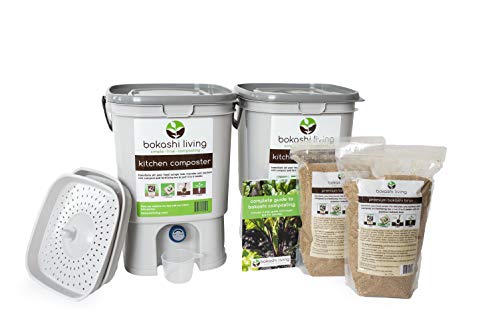
As an Amazon Associate we earn from qualifying purchases.
Quickly Diagnose a Wet Compost Pile
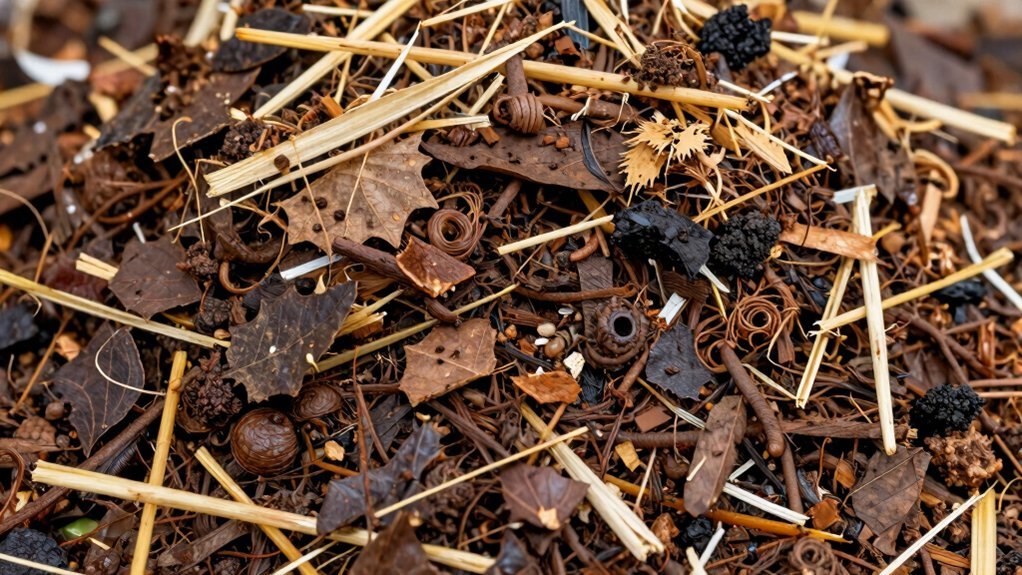
Ever wonder how fast you can tell if your compost is too wet? Grab a handful from the middle, squeeze firm, and watch the drops. A few drops mean you’re close to ideal; several signal a wet pile needing drying.
Grab a handful, squeeze it—few drops mean ideal moisture, many drops signal a wet pile.
Next, feel the texture. Muddy, sticky, or slick clumps scream excess moisture, while a crumbly feel suggests it’s fine.
Smell the pile: an earthy scent is balanced, but sour, ammonia, or rotten‑egg odors warn of waterlogged, anaerobic conditions. These odors and ammonia buildup can be managed similarly to how indoor compost bins use charcoal filters for odor control.
Look for brown liquid at the base—leachate shows water is leaching nutrients away.
Finally, check activity: a hot, bustling center means good aeration; a cool, stagnant pile, flies, or loss of heat points to too much water.
Adjust by adding dry browns or improving drainage. Add dry, carbon‑rich material to restore balance.
Why Wet Scraps Make Compost Slow and Smelly
When you pile too many wet scraps, the excess water fills the air spaces and starves the pile of oxygen, turning the process anaerobic and slowing decomposition. Those oxygen‑starved conditions let foul‑smelling microbes produce hydrogen sulfide and methane, giving your compost a rotten‑egg or sewage scent. Adding more carbon‑rich browns restores airflow, balances moisture, and keeps the breakdown fast and odor‑free. Insufficient aeration can also be caused by dense, matted leaves that block oxygen from reaching the core of the pile. Moisture control aids like fermented bran help absorb excess liquid and prevent the soggy conditions that slow microbial activity.
Anaerobic Conditions Slow Decomposition
Why do wet scraps stall your compost and turn it smelly? Water fills the pore spaces, displaces air, and creates a thick aqueous film that forces oxygen to travel longer paths. As moisture rises above 60 %, capillary action seals the smallest pores, forming anoxic pockets even when the pile looks merely damp. Those pockets let anaerobic microbes take over, replacing fast aerobic breakdown with slower, odor‑producing pathways.
Fine particles and compaction further lock in water, reducing porosity and cutting off airflow to the core. The result is sluggish heat buildup, delayed drying, and a prolonged stabilization phase. Using compostable storage bags can help you control moisture by containing wet scraps separately before adding them to your pile. Keep moisture in the 40–60 % range, avoid over‑compaction, and turn regularly to maintain aerobic conditions. Maintaining the optimal temperature range (52–60 °C) also supports aerobic microbes and speeds decomposition.
Excess Moisture Fuels Odor
Wet scraps flood the pile with water, sealing the tiny pores that normally let air flow, so oxygen can’t reach the microbes that drive rapid, odor‑free decomposition. The excess moisture forms thick films around particles, filling the smallest gaps first and creating waterlogged zones where oxygen diffuses far slower than in air. Those anaerobic pockets slow breakdown and let sour, vinegar‑like, rotting‑egg smells escape. When you add a batch of fruit peels or coffee grounds without enough dry browns, the pile becomes slimy, compacted, and prone to odor spikes—especially after rain. Aim for a 50‑60 % moisture range; the squeeze test should feel like a wrung‑out sponge, not a dripping one. Add shredded cardboard, dry leaves, or straw, mix scraps into the core, and turn the heap regularly to restore airflow and keep smells at bay. For indoor composters managing high moisture levels, bokashi fermentation systems offer an effective alternative that accelerates decomposition through anaerobic processes rather than relying on traditional aeration methods. Improper aeration can exacerbate moisture‑related odor problems.
Balance Greens and Browns to Keep Wet Compost Dry
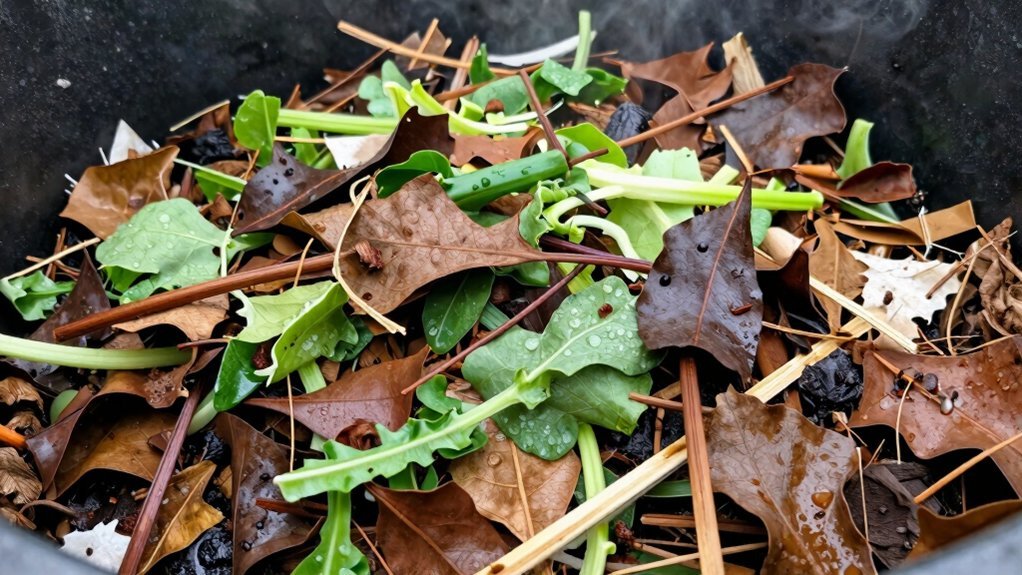
You’ll keep your compost dry by aiming for a 2:1–3:1 brown‑to‑green ratio and adding dry bulking materials like leaves, straw, or shredded paper.
Mix the browns in as you layer the wet scraps instead of piling greens on top, and shred the browns so they contact more surface area.
This simple technique balances moisture, improves airflow, and prevents the pile from turning soggy.
Maintain a 4:1 browns‑to‑greens ratio] to ensure sufficient carbon for moisture absorption.
Carbon2ns Ratio
How can you keep a compost heap from turning into a soggy mess? Aim for a C:N ratio near 30:1 by weight. Too low a ratio floods the pile with nitrogen, causing ammonia smells, slimy texture, and slow heating. Too high a ratio stalls microbes and drags decomposition. Balance wet, nitrogen‑rich scraps with carbon‑heavy browns to hit the sweet spot.
- Add shredded newspaper, cardboard, or dry leaves to absorb moisture and boost carbon.
- Keep the volume roughly 3 parts brown to 1 part green, but adjust if your greens are especially wet.
- Check for foul odors or soggy clumps; if they appear, increase carbon sources until the pile feels fluffy and dry.
- Thermophilic bacteria thrive best when the C:N ratio is maintained within the 25:1–30:1 range. Regular aeration every one to two weeks accelerates the breakdown process and helps maintain proper moisture balance.
Dry Bulking Materials
What can keep a compost heap from turning into a soggy mess? You need dry bulking materials that act as moisture buffers and create air channels. Add wood chips, shredded newspaper, straw, or twigs at the start; their coarse texture and high carbon content soak up excess water and keep bulk density low. Mix different sizes—large chips with finer paper—to maintain porosity and prevent matting. If the pile feels wet, sprinkle more dry material rather than trying to fix it later. Choose locally available, dry, woody options for best absorbency and structural stability. By balancing wet greens with enough dry bulking agents, you keep oxygen flowing, avoid anaerobic odors, and stay within the 40‑65 % moisture range. For additional odor control in wetter conditions, consider applying bokashi bran formulations designed to neutralize smells through probiotic action while you work on moisture balance. Maintaining a low bulk density helps prevent compaction and ensures adequate aeration.
Layering Technique
Layering your scraps keeps the pile from turning into a soggy mess by spreading moisture evenly and maintaining airflow. Start with a 4‑8‑inch coarse brown base, then add thin green layers (3‑4 in) and cap each with a generous brown blanket (6‑8 in). Keep the outer edges brown‑only and repeat until the bin is full, ending with a brown top layer. This lasagna‑style stack balances 2‑3 parts browns to 1 part greens, absorbs drips, boosts aeration, and blocks odors and pests. If the pile feels wet, simply add another brown layer and turn gently. A proper C:N ratio ensures optimal decomposition and prevents excess moisture. Electric composters with three operating modes like Crush, Ferment, and Clean can further accelerate the drying process for wet scraps.
- Coarse brown foundation for drainage
- Thin green layers covered fully by browns
- 2‑3 parts brown to 1 part green ratio for moisture control
Layer Paper or Cardboard to Block Leaks and Odor
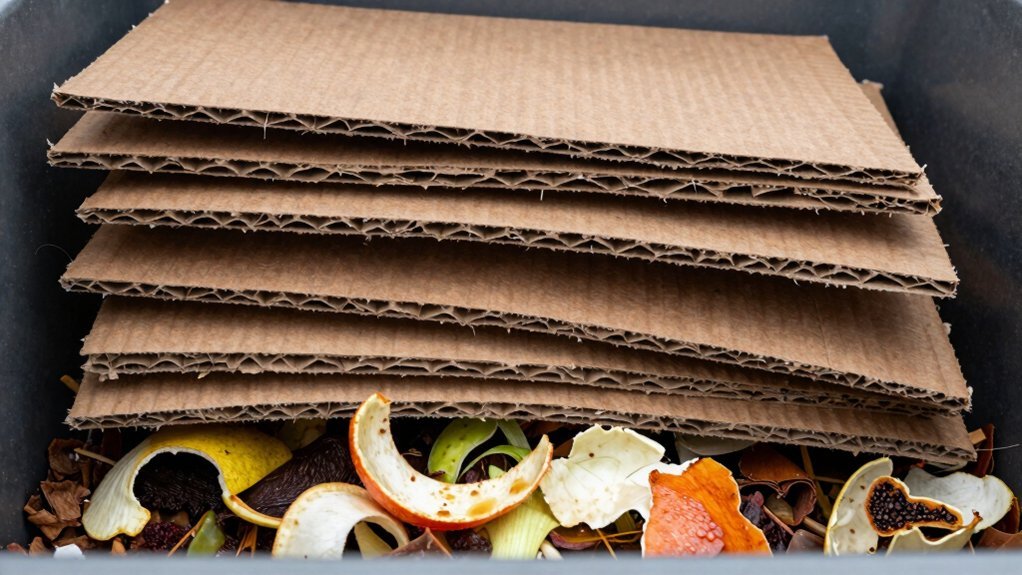
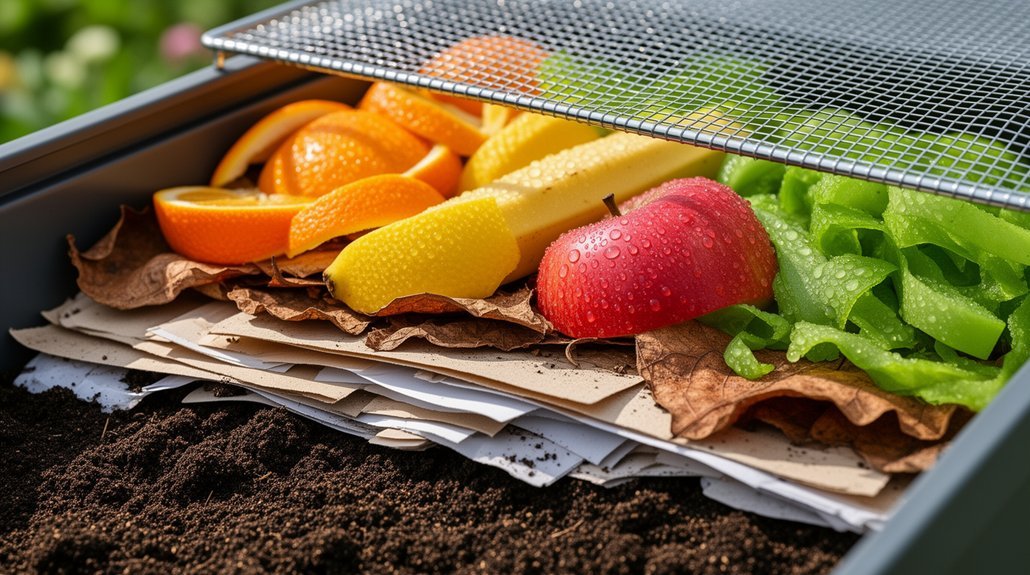
When you place a sheet of cardboard or paper over wet scraps, you create an instant moisture barrier that limits leaks and curbs odors. Choose unbleached corrugated cardboard, plain newspaper, or heavy paper—avoid glossy or wax‑coated material. Cut a sheet larger than the bin opening, then overlap edges by a few inches; this reduces gaps where liquid can escape.
If the bin receives a lot of wet waste, add a second layer, poking a few small holes in each sheet to keep airflow while retaining coverage. The cardboard’s structure holds the waste in place, keeping the bin’s exterior cleaner and drier. Adding a layer of dry paper towels between wet scraps further absorbs liquid and reduces odor. Models with large openings with removable doors make it easier to insert these moisture barriers and adjust them as needed for optimal coverage.
Add Dry Bulking Materials for Wet Compost Control
You’ll want to sprinkle dry bulking materials into your wet pile to boost aeration and mop up excess moisture. These coarse, dry agents—like wood chips, straw, or shredded cardboard—create air pockets that keep the compost breathable and prevent clumping. Cover waste with a thin layer of bulking material to manage moisture and odor control effectiveness. Regular bin emptying reduces odor buildup and strain on your composting system, allowing the bulking materials to work more efficiently.
Bulking Materials
A handful of dry, carbon‑rich bulking materials—like sawdust, wood chips, straw, or shredded cardboard—keeps wet kitchen scraps from turning into a soggy, odor‑producing mess. You’ll want them dry, coarse, and fibrous so they absorb excess liquid, add air pockets, and balance the nitrogen‑rich waste. When you notice the pile getting sticky or smelly, sprinkle more bulking material and mix it in layers rather than dumping it all at once. Keep a dry reserve under cover for emergencies and aim for roughly half the volume of biowaste in bulking material, adjusting upward if the pile stays wet. Quality bulking materials with low salt content and proper drainage characteristics help maintain consistent moisture levels without sacrificing aeration in your compost pile.
- Sawdust for rapid moisture absorption and odor control
- Straw for absorbency and moderate breakdown rate
- Shredded cardboard for easy availability and structure
Excess wet waste can be balanced by adding the appropriate amount of carbon‑rich bulking material.
Aeration and Moisture Control
If the compost pile gets soggy, you’ll need to boost aeration while adding dry bulking material to keep moisture in the 40‑60 % range. Start by sprinkling shredded straw, wood chips, or shredded cardboard throughout the wet zones; these absorb excess water and create air pockets. Then turn the pile or install a passive aeration system—perforated pipes or a simple vent stack—to pull fresh oxygen in and push moist air out.
Monitor the moisture by squeezing a handful: it should feel like a wrung‑out sponge. If it’s still too wet, repeat the bulking step and increase turning frequency. Balanced airflow prevents anaerobic odors, maintains microbial activity, and keeps temperature regulation steady. Aerated static piles require a cover layer of at least one foot to retain moisture and support the PFRP temperature benchmark.
Turn the Pile Regularly for Better Aeration
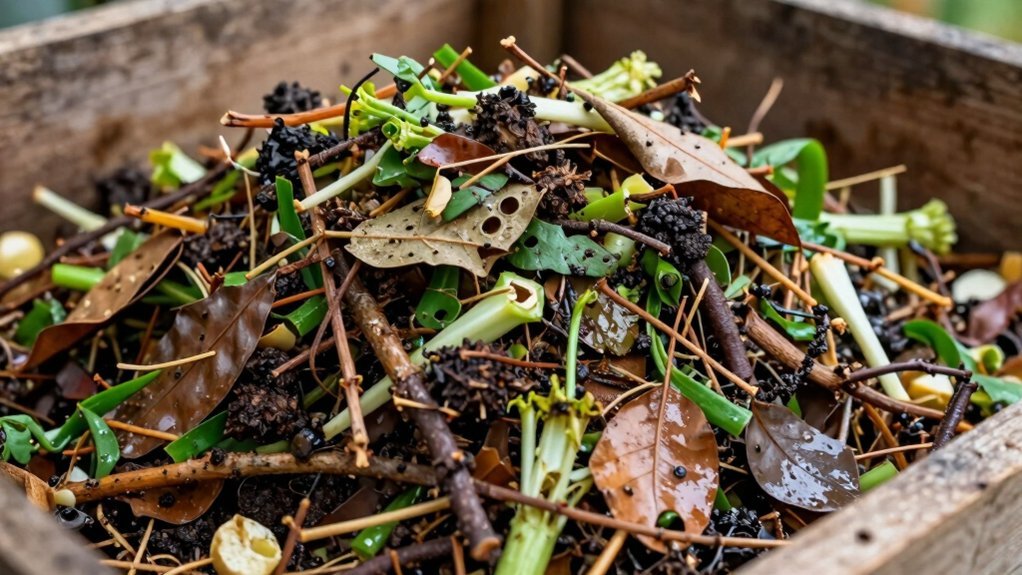
Why bother turning your compost pile? Because regular turning injects oxygen, breaks up soggy clumps, and spreads heat evenly, keeping aerobic microbes happy and speeding decomposition.
When you turn the pile, you:
- Refresh air pockets, preventing anaerobic odors and keeping the microbial community healthy.
- Distribute moisture so wet scraps mix with dry browns, avoiding water‑logged zones that choke airflow.
- Even out temperature, allowing the whole heap to stay hot and decompose uniformly.
Aim to turn every 1‑3 days in a hot system, or every 2‑4 weeks for slower setups. Watch the temperature: turning only when it drops preserves thermophilic activity without over‑cooling. This simple rhythm keeps wet scraps from turning into a smelly, stagnant mess. Adding regular turning also reduces odor by preventing anaerobic conditions.
Check Moisture With the Hand‑Squeeze Test
After turning your pile to spread moisture evenly, the next step is to verify that the water content stays in the sweet spot. Grab a handful from 18‑24 inches deep, squeeze it for a few seconds, then watch what happens. If it crumbles dry, add water. A few drops or a wrung‑out‑sponge feel means you’re in the 50‑60 % range. Water beads or drips signal excess moisture; a slick, muddy ball shows you’re too wet and risking anaerobic conditions. Repeat in several spots to catch uneven zones, and adjust by adding dry browns or turning more. Hand‑squeeze test provides a quick, qualitative estimate of moisture content.
| Observation | Interpretation |
|---|---|
| Crumbles, no water | Too dry |
| Few drops, tacky | Near ideal |
| Water beads, wet sheen | Getting too wet |
| Dripping water | Too wet |
| Muddy, slick ball | Excessive moisture |
Drain or Squeeze Wet Food Waste Before Adding
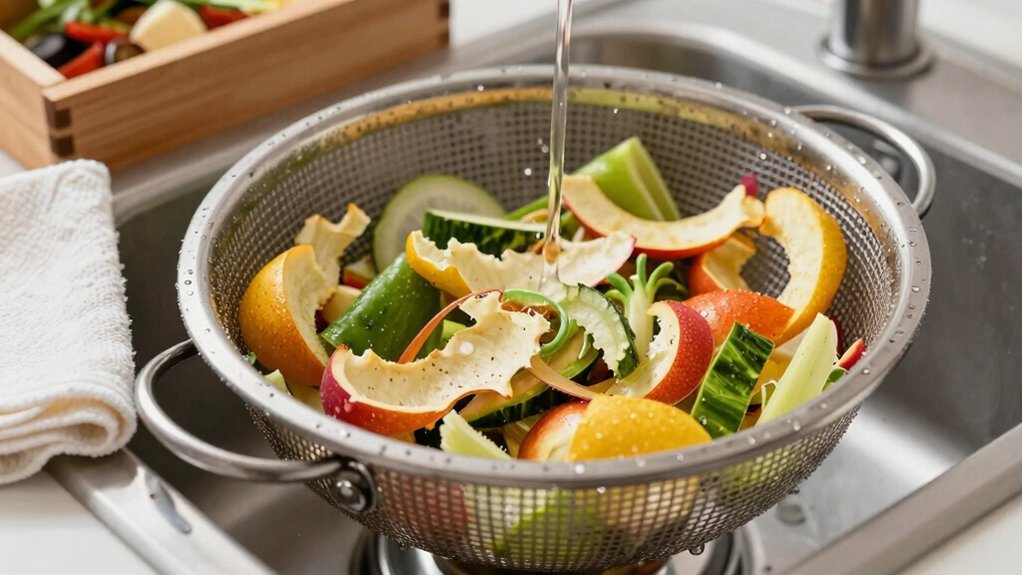
Drain or squeeze wet food waste before it hits the compost bin to keep the pile from getting soggy and anaerobic. By removing excess liquid you keep moisture at a wrung‑out‑sponge level, preserve airflow, and cut the need for extra brown material later. A quick pre‑drain also prevents the pile from becoming compacted, which slows microbes and creates odors. You can collect the liquid for later dilution or use it as a moisture boost if the compost dries out.
- Place scraps in a perforated container so liquid drips into a lower vessel.
- Use a strainer or colander to let excess water run off before transferring to the bin.
- Press or squeeze very wet items to squeeze out moisture and reduce volume. Two large plastic buckets can be used to set up a simple draining system.
Protect Wet Compost From Rain With a Lid or Cover
Once you’ve squeezed out excess liquid, the next step is to shield the pile from rain. Use a hard lid or rigid cover—wood panels, a plywood sheet, or a sturdy roof‑style structure—so water can’t sit directly on the compost. Choose a breathable, water‑shedding material like shade cloth or perforated fabric; this lets gases escape while keeping most rain out. If the pile is already wet, cover only the top, leaving the sides exposed for airflow. Secure the cover with weights or tie‑downs to prevent wind from blowing it away.
Raise the bin or add a frame so the lid sits above the edges, improving drainage. A carbon layer beneath the cover further slows moisture infiltration, preserving aerobic microbes and preventing foul odors.
Position Your Compost Bin to Avoid Standing Water
Where should you place your compost bin to keep it dry? Choose bare soil over concrete, paving, or tarmac so excess liquid can drain into the ground and soil microbes can help. Pick a level, flat spot to stop water from pooling on one side or at the base, which would push air out and slow decomposition. Avoid low depressions that linger after rain; they create soggy, anaerobic conditions and foul odors. If you must use a hard surface, add a coarse‑grit layer or raise the bin on bricks to improve airflow and runoff. Also, locate the bin near a garden path or hose for easy access and moisture control.
- Bare soil contact for natural drainage
- Flat, level ground to prevent pooling
- Higher ground or raised base to keep water away
Fix a Too‑Wet Pile Fast by Adding Lots of Dry Browns
If your bin sits on bare soil but the pile still stays soggy, the quickest fix is to add a generous amount of dry, carbon‑rich browns. First, turn and aerate the heap with a fork or shovel, opening air channels and mixing wet and dry layers. Then, sprinkle shredded leaves, straw, or dry grass clippings liberally; these fast‑acting browns soak up excess water and loosen texture. Add shredded cardboard, newspaper, or a modest amount of sawdust pellets for bulk and airflow. Mix the browns thoroughly into wet zones rather than just topping the pile. Keep an eye on moisture: the compost should feel damp, not waterlogged. Regular turning and balanced carbon‑to‑nitrogen ratios will prevent future sogginess.
Frequently Asked Questions
Can I Compost Wet Cardboard Without Causing Odor?
Yes, you can compost wet cardboard without odor if you shred it, mix it with plenty of dry browns, keep the pile loose, and turn it regularly to maintain airflow.
How Often Should I Add Dry Material to a Rainy‑Season Pile?
You should add dry material whenever the pile feels soggy, slimy, or smells sour—typically after each rain, each wet‑scrap addition, and every turning, using a 2‑to‑1 dry‑to‑wet ratio.
Do Shredded Newspaper and Paper Towels Work Equally Well?
You’ll find shredded newspaper works better overall, but paper towels can help instantly. Newspaper gives steadier carbon, while towels absorb moisture quickly; both need mixing with other browns for balance.
What Temperature Range Speeds up Drying of Soggy Scraps?
You’ll dry soggy scraps fastest at 55‑65 °C (131‑149 °F). Stay above 40 °C to boost evaporation, but keep under 71 °C (160 °F) to avoid overheating and microbial slowdown.
Can I Use a Compost Tumbler for Wet Piles?
Yes, you can use a compost tumbler for wet piles, but you’ll need to balance them with dry bulking materials, monitor moisture, and empty excess liquid regularly to keep aeration and decomposition active.
In Summary
By keeping your pile balanced, adding dry bulks, and protecting it from extra moisture, you’ll turn soggy scraps into thriving compost. A quick squeeze, a layer of paper, and a good lid keep odors at bay and decomposition fast. Adjust greens and browns, position the bin wisely, and you’ll enjoy rich, odor‑free soil without the mess. Keep it dry, keep it moving, and the compost will reward you.