
You’ll succeed indoors by picking a truly airtight bin with a built‑in spigot, pressing each layer to squeeze out air, and sprinkling enough bokashi bran—about a tablespoon per inch of waste—to keep the pile moist and anaerobic. Seal the lid tightly after every addition, drain excess liquid through the spigot without opening the bin, and keep the temperature around 70‑85 °F for fast, odor‑free fermentation. Follow these steps and you’ll discover how to finish and reuse your bokashi efficiently.
Choose the Right Airtight Bin for Bokashi Composting

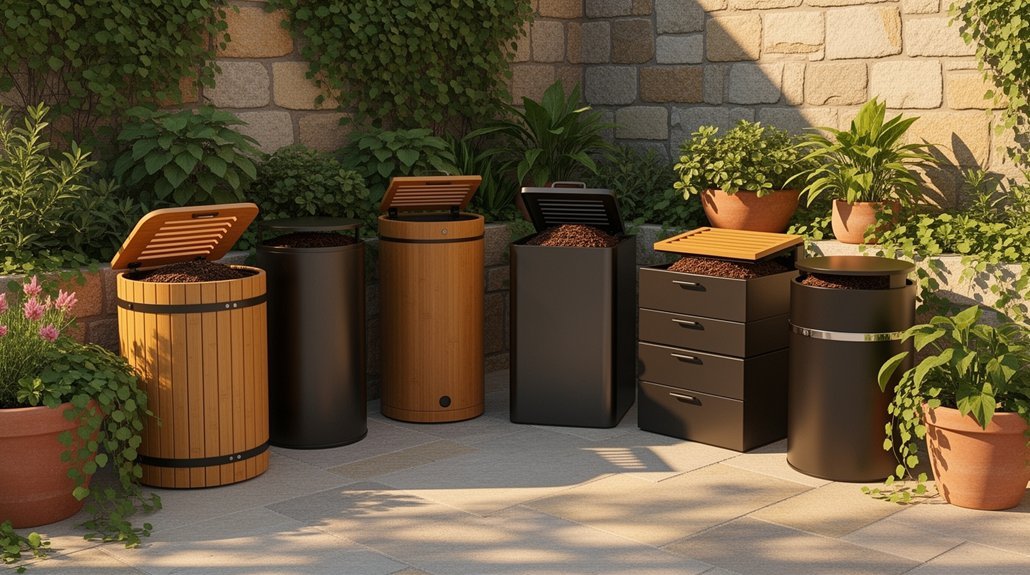
Choosing the right airtight bin is the first step to successful indoor bokashi composting, and a tight‑sealing container with a built‑in reservoir and spigot keeps the process anaerobic while letting you harvest bokashi tea. You’ll want an airtight bokashi bin that features a drainage spigot for easy leachate draining, so the liquid can be collected without opening the lid. Look for a design that lets you pressable layers, squeezing out air pockets that cause odor and disrupt anaerobic fermentation. Two 5‑gallon buckets work well as a low‑cost rotating‑bin system, letting you turn the bin and start a new batch while the previous one drains. Premium rotating‑bin system or Organko‑style models add built‑in drainage management and rest periods for smoother operation. drainage spigot helps ensure easy liquid drainage and odor control during ongoing use.
Apply Bokashi Bran (Effective Microorganisms) Correctly
After sealing your bin, sprinkle the bokashi bran over each new layer of scraps—about one tablespoon per inch of food depth. The bran introduces effective microorganisms that kick‑start anaerobic fermentation, keeping the mix acidic and odor‑free. Press the layer gently to expel trapped air, then add another waste layer and repeat the sprinkling.
Ensure the pile stays moist but not soggy; a damp sponge‑like feel signals ideal moisture for the microbes. Close the lid tightly; airtight sealing locks out oxygen, preventing putrefactive microbes from taking over. If you notice a slowdown or a faint sour smell, add a little more bran and re‑press the material to restore the anaerobic environment. Consistent layering and sealing keep the process humming for two weeks. awareness of moisture levels
Layer Kitchen Scraps for Bokashi Odor Control

You’ll want to layer your kitchen scraps evenly, then sprinkle bokashi bran over each layer before pressing it down.
Seal the bin tightly so the anaerobic environment stays intact and odors stay inside.
Keep the lid airtight and repeat the process with every addition to maintain a clean, odor‑free kitchen.
Layer Scraps Properly
Layering kitchen scraps with bokashi bran creates an airtight, odor‑blocking sandwich that keeps indoor fermentation smooth. You add a thin layer of scraps, then sprinkle roughly one tablespoon of bokashi bran per inch of waste, ensuring each bite is inoculated. Press down waste firmly before the next addition; this eliminates trapped air, sustains anaerobic fermentation, and boosts odor control. The airtight bin then seals the sandwich, locking out oxygen and letting Lactobacillus thrive. As you repeat the process, monitor the fermentation moisture balance—excess leachate should be drained or absorbed to avoid soggy pockets that could spark smells. By consistently layering scraps, you maintain a steady, odor‑free environment for indoor bokashi composting. Hermetically sealed
Use Airtight Seal
Sealing the bin tightly after each layer locks out oxygen, keeping the environment strictly anaerobic and preventing unwanted smells. You’ll notice that an airtight seal creates a pressure‑free chamber where lactic acid bacteria thrive, while kitchen scraps stay moist and compact. This setup also helps maintain consistent moisture balance, which is critical for efficient bokashi fermentation odor control. Press down the waste, snap the lid, and let the bokashi bran work its magic without air pockets. A spigot drainage port on indoor bins lets you pour off bokashi tea without breaking the seal, boosting odor control and moisture balance. Remember to periodically check seals for wear to ensure ongoing airtight efficiency. 1. Snap the lid shut, feeling the click of an airtight seal. 2. Press kitchen scraps flat, eliminating gaps. 3. Sprinkle bokashi bran evenly over each layer. 4. Open the spigot only when you need to drain excess liquid.
Add Bokashi Bran
Why does a pinch of bokashi bran make such a difference? You sprinkle a tablespoon of bokashi bran per inch of kitchen scraps, inoculating each layer with lactic acid bacteria, yeasts, and phototrophic microbes. This kick‑starts anaerobic fermentation, keeping the bin airtight and suppressing putrefaction. The bran also buffers moisture, preventing mold while ensuring the acidic environment needed for rapid breakdown. When you press the scraps and add another bran layer, you maintain air‑tight layering, which is the core of indoor composting odor control.
| Benefit | Microbial Action | Practical Tip |
|---|---|---|
| Fast fermentation | Lactic acid bacteria produce acid | Sprinkle evenly |
| Odor control | Yeasts outcompete foul microbes | Press to remove air |
| Moisture balance | Bran absorbs excess water | Adjust with dry scraps |
| Airtight environment | Phototrophic bacteria thrive | Seal lid tightly |
| Consistent results | Mixed microbial community | Repeat each layer |
How to Drain and Reuse Bokashi Tea in an Apartment?

Ever wondered how to keep your indoor bokashi system tidy while turning its liquid by‑product into a useful fertilizer? In a compact apartment you can set up a spigot on an airtight bin or use a bucket‑with‑drain to collect bokashi tea without opening the fermentation chamber. Drain the liquid into a container, then dilute it—typically 100 parts water to 1 part tea—before watering plants or cleaning surfaces. Regular dilution maintains odor control and prevents anaerobic buildup, keeping your space fresh.
1⃣ Attach a spigot to the airtight bin.
2⃣ Place a clean bucket under the spigot.
3⃣ Drain the tea once a week.
4⃣ Mix 1 cup tea with 100 cups water for use.
Optimize Bokashi Fermentation Time & Temperature
You’ll want to keep the bin in a 68‑77 °F spot, seal it tightly after each addition, and layer the bokashi bran consistently.
These three steps let the microbes work efficiently within the 14‑21‑day window.
If the temperature slips, just extend the fermentation a week or two and double‑check the airtight seal.
Temperature Range
How does temperature shape your indoor bokashi? The indoor temperature you maintain directly drives Bokashi fermentation speed. When ambient temperature sits in the optimal range of 70‑85 °F (21‑29 °C), lactic acid bacteria and Saccharomyces yeasts stay vigorous, delivering a 14‑21‑day turnover. Drop below 60 °F (15 °C) and those microbes crawl, stretching the process and dulling the white‑mold cue. Push past 90 °F (32 °C) and you risk overly rapid acidification and moisture loss, compromising texture and odor control. Keep the environment steady—insulated bins or a cool‑under‑sink cabinet help lock in a reliable ambient temperature, preserving both microbial health and your compost’s consistency.
- Warm (70‑85 °F) – fastest, balanced fermentation
- Cool (60‑70 °F) – slower, extended timeline
- Hot (>90 °F) – rapid but risky
- Stable spot – consistent speed, minimal odor spikes
A stable spot also helps minimize odor spikes by maintaining steady conditions that support a balanced microbial community temperature stability and prevent fluctuations that can disrupt fermentation.
Air‑Tight Sealing
When the temperature stays in the sweet spot, the next factor that determines how quickly your bokashi finishes is how airtight the bin stays. Airtight sealing creates the anaerobic environment lactobacilli, yeasts, and EM organisms need to dominate fermentation. A well‑sealed bokashi bin blocks oxygen, which keeps odors low and deters pests. If the lid loosens or air pockets appear, fermentation stalls, decomposition slows, and mold may sprout between food scraps. Keep the lid tight and check the gasket regularly; a snug seal also makes draining bokashi tea safer and more predictable, because excess liquid often signals a breach.
Layering Frequency
Why does timing matter in bokashi? Consistent bokashi layering keeps the anaerobic fermentation alive, and every addition fuels the microbes. If you skip days, pockets of oxygen appear, slowing the process and risking off‑odors. Aim for daily/regular additions, press each layer down, and seal tightly. This rhythm maintains indoor composting conditions that favor rapid lactic‑acid activity and a warm, steady temperature.
Add waste, then sprinkle bokashi bran.
Press down firmly to eliminate air.
Close the lid for an airtight seal.
Repeat every 24–48 hours.
Following this schedule shortens fermentation to 14–21 days, keeps the odor pleasant, and yields soft, white‑mold‑covered material ready for soil. odor control
Finish Bokashi: Bury or Mix in Indoor Planters
After the bokashi has fermented for 2–4 weeks, you can finish it indoors by either burying the material in a planter’s soil or mixing it into the top layer of the pot. To burry, dig a trench at least 12 inches deep, place the fermented bokashi, and cover it with soil; this anaerobic pocket lets soil microorganisms break down the material into rich humus. Additionally, using bokashi tea as a diluted liquid fertilizer volume measurement accuracy can help ensure you apply the right amount without oversaturating the soil. If you prefer mixing, spread the pre‑compost over the pot’s surface and work it into the topsoil, keeping the blend moist but not soggy. Collect the bokashi tea, dilute it 100:1, and water it in the planter for an extra nutrient boost. Allow 2–6 weeks for the microbes to finish the transformation before planting.
Troubleshoot Bokashi Issues in Small Apartments
Ever notice a sour smell or fuzzy growth in your bokashi bin? In a small apartment, those signs usually mean oxygen slipped in, moisture piled up, or the fermentation window closed too early. Here’s how to fix it:
- Seal tightly – keep the airtight bin closed after every layer of scraps and bokashi bran.
- Control moisture – drain the bokashi tea daily or use paper to soak excess leachate.
- Watch the timeline – aim for a 14‑21‑day anaerobic fermentation window before burial.
- Maintain odor control – if the smell turns putrid, add more bran and re‑seal promptly.
Frequently Asked Questions
What Are Common Bokashi Composting Mistakes?
You often leave the lid open too much, expose waste to oxygen, skip adding enough bokashi bran, let liquid pool without drainage, bury fermented material late, or use oversized pieces and short fermentation periods.
How Do the Amish Compost?
You’ll find the Amish use simple, well‑ventilated pile pits, layering kitchen scraps with straw, turning regularly, and letting natural microbes break down waste—no fancy bins, just hands‑on, aerobic composting.
What Is the Japanese Bokashi Technique?
You use an airtight bucket, sprinkle bokashi bran on kitchen scraps, press them down, and seal the lid; the inoculant’s microbes ferment the waste anaerobically, creating acidic leachate and a nutrient‑rich pre‑compost.
Do Potato Peelings in Compost Attract Rats?
You won’t usually attract rats with potato peels if you keep the bin sealed and dry; the anaerobic environment and regular draining prevent odors that draw rodents, so they stay away.
In Summary
By picking a sealed, odor‑tight bin, sprinkling the right amount of bokashi bran, and layering scraps thoughtfully, you’ll keep smells down and microbes thriving. Drain the liquid for a nutrient boost, keep the temperature steady, and finish the process by burying or mixing the fermented material into indoor plants. With these steps, bokashi composting becomes a clean, efficient way to turn kitchen waste into garden gold—even in a compact apartment.