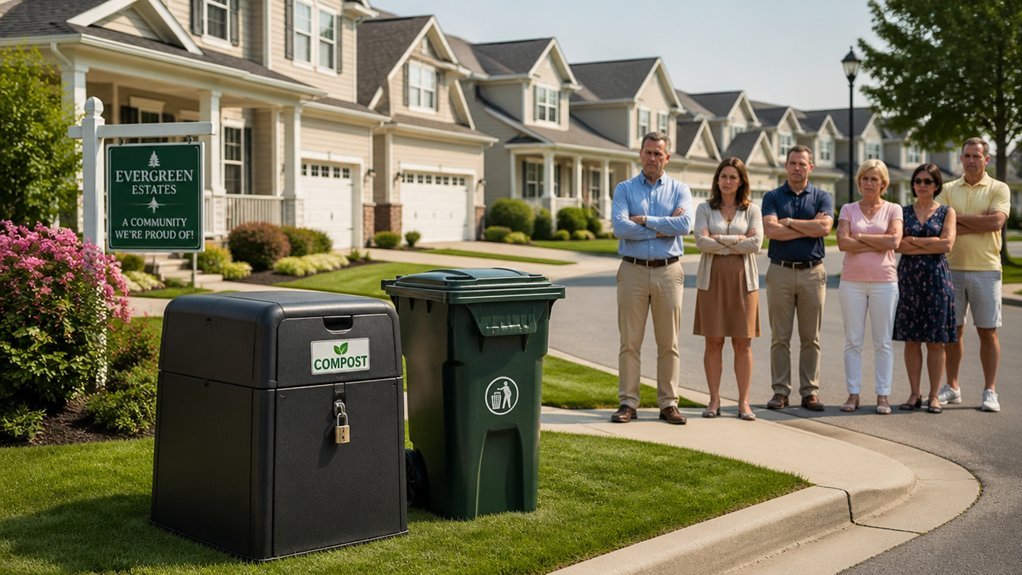
You’re probably hearing HOA resistance because food‑waste programs seem pricey, need extra space, and risk odor or pest problems that could upset the community’s clean‑living expectations. Initial costs can be high before landfill savings appear, and limited storage makes bins and odor‑control supplies hard to fit. Residents worry about smells, contamination, and overflowing bins, while contracts may need renegotiation for new equipment and stricter compliance. Keep reading to discover how to address these concerns and launch a successful program.
What HOAs Want to Know About Food‑Waste Program Costs

How much will a food‑waste program actually cost your HOA? You’ll first face startup costs: labeling, resident education, and buying separate organics collection bins. Those expenses can be sizable before any landfill reduction savings appear. Finally, consider odor control and how it may affect ongoing maintenance costs for the program.
How Logistical Hurdles Stall a Food‑Waste Program
You’ll notice that limited storage space forces you to choose smaller containers, which quickly fill up and block other amenities. Additionally, inconsistent curbside pickup scheduling across multiple haulers and building calendars can create recurring gaps that leave bins overflowing on off-days, amplifying odor and pest concerns. Waste sorting accuracy and near-term adherence improve when residents have a clear, at-a-glance reference during sorting and when programs emphasize compatible items for local composting rules.
Storage Space Constraints
Ever wondered why a food‑waste program stalls before it even starts? You see, storage constraints bite hard in HOA communities. Limited storage space in common area waste forces HOA management to juggle bins, lids, liners, and odor‑control supplies, often with nowhere to tuck them safely. Without a weather‑protected spot, contamination risk spikes and pests linger, making waste segregation a nightmare. The lack of room pushes you to prioritize other streams, so food waste sits idle. Frequent emptying becomes inevitable, raising collection frequency and inflating operational costs. Those extra trips erode the budget and deter any rollout. In short, the space crunch turns a promising initiative into a logistical dead‑end. Additionally, choosing a compact, odor‑controlled system can help align with space‑efficient designs and reduce the footprint of ongoing maintenance.
Collection Schedule Coordination
Why does a food‑waste program stall before it even starts? You’ll find that collection scheduling conflicts with existing trash days, creating gaps that confuse residents and drop participation. When HOA coordination can’t align calendars with waste haulers, bins miss pickups, leading to contamination and frustration. Budgeting and staffing become hurdles; you must fund specialized trucks or contracts while juggling limited personnel. OK Compost certification and proper glove handling standards from compostable material guidelines can inform how facilities manage containment and reduce contamination risk, reinforcing the importance of compliant practices.
Resident Participation Incentives
What keeps residents from embracing a food‑waste program? You’re hit by inconvenient logistics, vague labeling, and irregular pickup schedules that clash with daily routines.
Even when recycling programs work smoothly, food‑waste feels messy because in‑building collection bins are scarce and HOA budget constraints delay composting programs and education/awareness campaigns.
Without clear resident participation incentives, the effort outweighs any perceived benefit.
- Limited in‑building collection bins create bottlenecks
- Poor labeling confuses what’s compostable
- Inconsistent pickup schedules disrupt routines
- HOA budget constraints stall incentives and education
- Lack of resident participation incentives reduces motivation
Addressing these points can turn hesitation into active involvement.
What Residents Fear About Odor and Pests in a Food‑Waste Program
Do you worry that a food‑waste program will turn your community into a hotspot for roaches, rats, and foul smells? You fear that odor will linger when food waste sits in bins too long, especially in warm weather. Pests such as rodents and vermin become a concern if collection frequency drops or if mislabeling leads to cross‑contamination. Without strict odor control and clear composting rules, juices can seep into shared trash areas, attracting insects and birds. You worry that open or improperly sealed bins will become breeding grounds for roaches and rats, and that a lack of on‑site guidance will leave messes for neighbors to clean. These anxieties often outweigh the perceived benefits of a recycling initiative. Odor control features in caddies and the option for removable inner buckets can influence how easily odors are managed between collections, helping communities maintain cleanliness and reduce pest attraction.
How to Prevent Odor and Pest Issues in a Food‑Waste Program

You’ll keep odors and pests at bay by using secure, lockable containers that prevent spills. Pair them with sealable waste bags so residents can close off food scraps before they even leave the kitchen. Then stick to a regular, daily disposal schedule so organic matter never sits long enough to attract critters. Regular filter replacements and proper bin sizing helps maintain consistent odor control and reduces nuisance leakage in common-area waste streams. odour control
Secureized Collection Containers
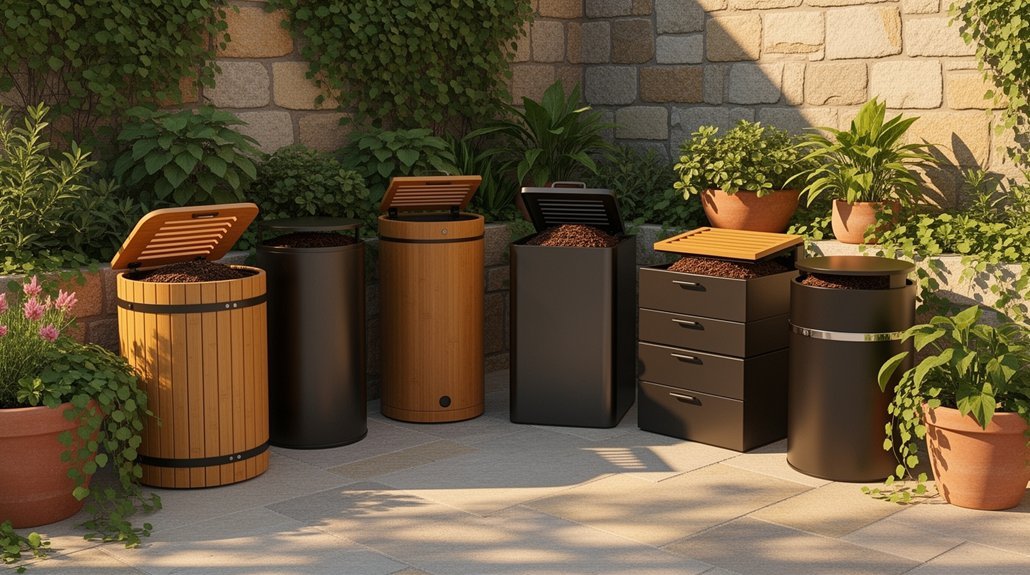
A single sealed container can keep odors and pests at bay, thanks to airtight lids and chew‑proof liners. In your HOA waste management plan, secureized containers become the backbone of odor control and pest prevention. Choosing bins with a durable stainless steel or plastic body and an airtight lid helps maintain consistent odor containment in common spaces and resident kitchens alike airtight lids. Choose models with sealed lids, puncture‑resistant liners, and moisture‑proof construction to guarantee contamination prevention and leak prevention.
Position them in shaded, well‑ventilated spots and post clear signage to reinforce sanitation practices. Regularly inspect for damage and clean spills immediately to keep the system humming.
- Airtight sealed lids block smells
- Chew‑proof liners stop rodents and insects
- Shaded, ventilated placement reduces heat buildup
- Routine cleaning ensures sanitation practices
- Signage and monitoring boost user compliance
Sealable Waste Bags
Ever wondered why a sealed bag can make all the difference in a food‑waste program? You’ll notice that sealable bags lock in moisture and smells, giving you odor control that keeps HOA common areas fresh.
Choose compostable bags with clear bag labeling—orange or green with “Food Waste”—so residents sort correctly and you achieve contamination reduction. When the bag stays sealed, leaks and cross‑contamination disappear, easing waste management for the whole community.
Pair the bags with secure bin lids and schedule regular bag changes; this prevents rips, spills, and the insects and rodents that love stale food. The result? Cleaner bins, happier neighbors, and higher resident acceptance of your food waste programs.
Regular Disposal Schedule
Sealable bags keep odors locked in, but without a reliable pickup routine the benefits disappear quickly. In your HOA, a regular disposal schedule is the backbone of effective waste management. By syncing collection times with local compost or landfill hours, you keep food waste out of common areas, curb odor control issues, and slash pest reduction risks. Clear labeling and accessible drop‑off points prevent cross‑contamination and keep residents on board with the pickups schedule.
- Set daily or every‑other‑day collection to block odor buildup.
- Align pickups with facility hours to avoid overflows.
- Post visible collection times near each drop‑off point.
- Use sealed containers to limit cross‑contamination.
- Monitor common areas for leaks and address them instantly.
How Service Contracts May Be Affected by a Food‑Waste Program

How will your HOA’s service contracts change once a food‑waste program rolls out? You’ll need to amend service contracts to cover collection, composting, and new equipment leases, which shifts pricing, scheduling, and vendor responsibilities. Expect contracts renegotiation to address exclusivity clauses and performance‑based incentives that now factor in waste‑type logistics. Maintenance clauses must expand to include composters, bins, and grinders, while vendors require training and compliance documentation for health and safety and odor‑control standards. Contamination risks rise if residents mix waste, triggering penalties or service interruptions, so contracts will embed stricter compliance checks. By redefining these terms, you protect the community from unexpected costs and keep the program running smoothly.
How to Overcome Barriers and Launch a Successful Food‑Waste Initiative
Service contracts may need to be rewritten, but the real work begins with getting residents on board. You’ll need clear sorting guidelines, resident education, and a pilot program that shows quick wins. Track metrics like participation rates, contamination levels, and diverted organic waste to prove value and keep momentum. Here’s how to move forward:
- Launch a small‑scale pilot in common‑area kitchens to test composting logistics.
- Provide labeled bins and simple sorting guidelines to curb contamination.
- Offer regular resident education sessions and easy‑to‑read flyers.
- Share transparent metrics each month to boost participation and trust.
- Scale up with incentives and partnership agreements with local compost facilities.
Frequently Asked Questions
How Does Food Waste Affect the Community?
You’re increasing landfill costs, boosting methane emissions, attracting pests, and creating odors, while missing out on potential savings and environmental benefits that composting could deliver to your neighborhood.
What Is Being Done to Stop Food Waste?
You’re seeing HOAs launch compost bins, host sorting workshops, partner with local recyclers, and distribute newsletters—each step cuts food waste, creates nutrient‑rich soil, and lowers disposal costs.
How Can Individuals Contribute to Effective Waste Management in Their Communities?
You can start by separating organics, using community compost bins, attending workshops, sharing tips online, volunteering for clean‑ups, and joining the Green Committee to track progress and suggest improvements.
Who Is Most Affected by Food Waste?
You’re most affected if you have a large family, host often, are a senior with limited mobility, speak limited English, rent, or live in a dense HOA with tiny storage spaces.
In Summary
By tackling cost concerns, smoothing logistics, and addressing odor and pest worries, you can turn resistance into support. Show residents the clear benefits, enforce strict composting protocols, and negotiate flexible service contracts. When you communicate openly and provide concrete solutions, the community embraces the program, cuts waste, and boosts sustainability—all while keeping the neighborhood clean and pleasant.