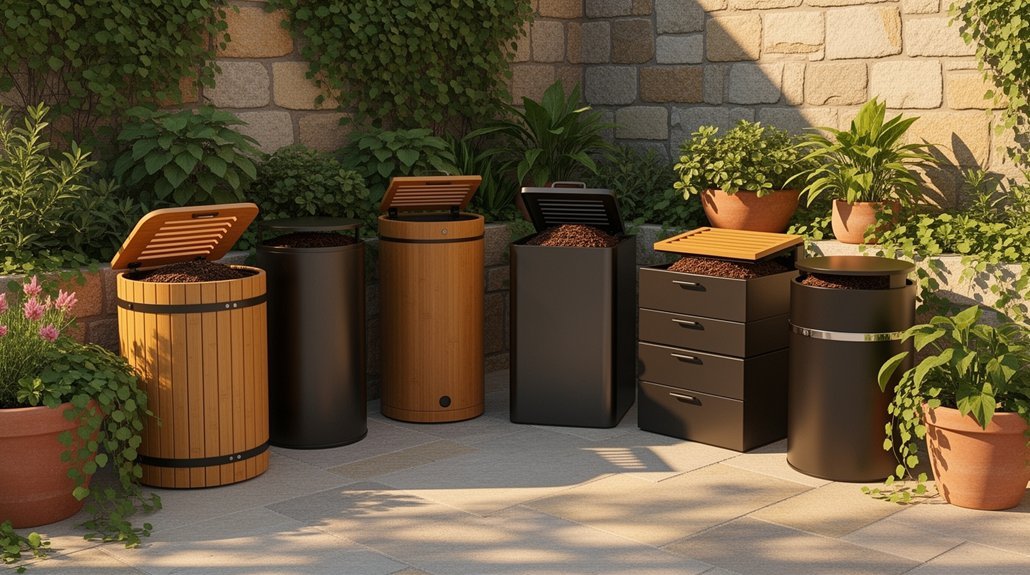

You get a soggy bokashi bin when wet scraps dump too much liquid, you don’t add enough dry absorbents, and you don’t compress the layers to squeeze out air and push moisture toward the drain. Condensation on the lid or fluffy white growth also signals excess water. Leachate builds up if the spigot isn’t emptied regularly, and a loose seal lets oxygen in, drowning the anaerobic microbes. Tightening the lid, using a weight, and adding shredded paper or bokashi bran will keep it dry, and the next section shows six proven tricks to master moisture control.
Prevent Excess Moisture When Adding Wet Scraps

How can you keep your bokashi bin from turning into a soggy mess when you add wet scraps? Start by sprinkling dry absorbents—shredded newspaper, cardboard, paper towels, or crumbled egg cartons—over the wet material. A thin layer at the bottom or middle soaks up excess humidity without starving the microbes. Mix watery fruit and veg waste with low‑moisture foods like stale bread, cereal, or crackers; the dry bits balance moisture and keep scraps from “swimming.” Add extra bokashi bran, especially fluffy grain chaff, to the wetest spots; it sops up liquid and stabilizes fermentation. Before tossing scraps in, let them drain briefly to remove surface water, cooking water, and thaw residue. Finally, watch for condensation on the lid, a “raining” lid, or fuzzy white growth—early signs that moisture is getting out of control. Excess moisture can drown beneficial microbes, reducing food quality for the microorganisms. Consider using compostable bags inside your bokashi bin to contain liquids and make emptying easier while maintaining proper moisture balance.
Drain Leachate Regularly to Keep Your Bokashi Bin From Getting Soggy
You should check the spigot each week and collect the leachate in a dedicated container. Once the container fills, empty it and give the spigot a quick clean to keep the flow steady.
Doing this regularly prevents excess moisture and keeps your bokashi bin from getting soggy. Bokashi tea can be poured down the drain safely and is harmless to the environment. The spigot-enabled design allows you to maintain an odor-free, sealed system while managing excess liquid effectively.
Check Spigot Weekly
Ever wonder why a soggy bokashi bin feels like a failure waiting to happen? You can stop the panic by checking the spigot every week. A quick visual and a gentle squeeze reveal whether leachate is pooling. If you notice a slow drip or a small puddle, empty the tap immediately; the sooner you drain, the less chance microbes have to get unhappy. Weekly checks are especially vital when you feed fruit‑heavy scraps, because they generate more liquid than dry pasta or bread.
Even a dry bucket benefits from a routine glance, preventing hidden moisture from building up. Proper drainage holes and monitoring moisture help maintain the fermentation process, similar to how windowsill herb planters require adequate drainage to prevent waterlogging. By making the spigot inspection a habit, you keep fermentation steady, odors low, and the bin from turning soggy. Drain tea regularly to avoid excess moisture.
Capture Leachate in Container
Wondering why your bokashi bin stays soggy despite regular spigot checks? The liquid that drips from fermenting scraps—leachate—accumulates at the bottom, especially when you toss in watermelon or other high‑water foods. If you let it pool, the mass compacts, fermentation slows, and odors rise. Install a simple capture system: attach a food‑grade valve or spigot to a lower reservoir, or place a false floor so solids stay above the liquid zone. Direct the leachate into a separate container each time you notice a slosh. Draining every couple of days keeps the anaerobic balance intact, prevents a waterlogged layer, and makes cleanup mess‑free. Pair this with dry absorbents like shredded paper to further curb excess moisture, similar to how ventilation holes prevent odors in stackable worm bin systems. Bokashi tea is rich in phosphorus and potassium, supporting plant health when used appropriately.
Empty and Clean Regularly
Why does your bokashi bin stay soggy even after you’ve checked the spigot? You’re probably not draining the leachate often enough. Every time you add water‑heavy scraps, the bucket fills with liquid that can condense on the lid, create air pockets, and spark strong, vinegar‑like odors. Emptying the bin before the reservoir overflows and cleaning the spigot prevents blockages, keeps the liquid level low, and maintains a stable fermentation environment. Consider using compostable bioplastic bags to store your scraps before adding them to the bokashi bin, which can help reduce excess moisture from particularly wet food waste.
| Action | Why it matters |
|---|---|
| Drain leachate after each load | Stops saturation and condensation |
| Empty the bucket when half full | Reduces odor buildup |
| Clean the spigot regularly | Avoids clogs and residue |
| Add dry absorbents (paper) if wet | Balances moisture |
| Scrub the interior between cycles | Keeps fermentation consistent |
The anaerobic nature of bokashi means that excess moisture can disrupt the fermentation process.
Detect Condensation on the Lid and Inside Your Bokashi Bin
Can you spot the tell‑tale droplets on the lid’s underside when you open your bokashi bin? Those beads mean moisture is lingering in the air pocket, a sure sign the bin is too wet. Check the lid each time you open it; a damp film or fuzzy white mold signals an imbalance that can sour the fermentation and unleash unpleasant odors. Acting fast prevents the smell‑causing compounds from trapping inside. Consider using composting bags designed to resist leaks and odors for better moisture management.
- Look for clear droplets on the underside of the lid.
- Notice any wet film or mold on interior walls.
- Smell a strong, sour odor alongside the condensation.
If you see any of these, add dry absorbent material—newspaper, paper towels, or egg cartons—to restore the proper balance before closing the bin again.
Keeping the bin airtight is essential to prevent excess moisture buildup, and precise lid fitting ensures that odors are properly contained while excess moisture escapes.
Compress Bokashi Bin Contents to Eliminate Air Pockets

You should press down firmly on each layer, using a plate or a weight to squash the scraps. This squeezes out trapped air and creates a tight, anaerobic mass that ferments efficiently. Keep doing it after every addition to keep odors at bay. Maintaining proper airtightness ensures the fermentation stays anaerobic and prevents excess moisture buildup. For added protection during the fermentation process, consider wearing compostable gloves to maintain hygiene while handling the bokashi materials.
Press Down Firmly
Ever wondered how a simple press can keep your bokashi bin from turning into a soggy mess? When you press each layer firmly, you squeeze out trapped air, keep oxygen pockets, and guide moisture toward the drain. The result is a tighter, more uniform mass that ferments cleanly and stays dry.
- Feel the resistance – a solid press tells you the scraps are compacted, reducing voids that hold excess water.
- See the runoff – liquid slides down to the lower drainage zone, preventing wet spots on the surface.
- Sense the stability – a firm, dense layer stays put, so the bin won’t shift or settle unevenly later.
Use a flat tool or a potato masher right after adding chopped waste. Pressing daily, not just at the end, keeps the anaerobic environment strong and the bin from getting soggy. Most compost systems benefit from consistent maintenance routines that include regular filter replacement to ensure optimal performance throughout the fermentation cycle.
Adding a starter culture each day ensures the microbes remain active throughout the process.
Use a Plate or Weight
Why not place a sturdy plate or a heavy object on top of each fresh layer? Doing so flattens the waste, squeezes out air pockets, and creates a tighter seal for the anaerobic bokashi process. A ceramic or plastic plate sized to the bucket’s diameter slides easily over the scraps, while a brick, rock, or weighted lid presses the layer down. This compression limits oxygen exposure, curbs floating bits, and keeps moisture evenly distributed, which reduces foul odors and uneven fermentation. After you add a new layer and sprinkle bokashi bran, set the plate, add the weight, then close the lid tightly. For optimal results, consider using organic granules as a supplementary amendment to enhance microbial activity in your fermentation system. Proper moisture balance is essential to prevent the bin from becoming overly wet and creating unpleasant smells.
Seal Your Bokashi Bin Tightly to Keep Oxygen Out
When the lid is sealed tightly, oxygen can’t get in, so the anaerobic bokashi microbes stay active and the waste ferments properly. You’ll notice a sour, pickle‑like scent instead of rot, and the bin stays clean‑smelling. A good seal also prevents excess moisture from pooling, which otherwise fuels mold and foul odors. Test the lid with water before you start; any drips mean you need a gasket or silicone sealant. Keep the lid snug, open it only once or twice a day, and watch for bulging lids or strange colors—those are warning signs. Draining bokashi tea daily also prevents liquid buildup that can lead to excessive moisture in your bin.
Check the seal with a water test.
Apply silicone around the spigot if leaks appear.
Tighten gaskets so they stay flat and intact.
Use a tight lid to keep oxygen out and prevent excess moisture.
Six Proven Tricks to Keep Your Bokashi Bin Dry

How can you keep your bokashi bin dry while still feeding it your kitchen scraps? First, keep wet inputs out; let dripping foods like shrimp shells or watermelon drain before they hit the bin. Second, add a thin layer of dry absorbents—newspaper, paper towels, or shredded cardboard—near the top and bottom to soak up excess liquid. Third, boost bokashi bran in wetter batches, mixing a quarter‑to‑half cup into problem spots to balance moisture and microbes. Fourth, compress the contents with a potato masher or similar tool, pushing air pockets out and forcing liquid downward. Fifth, start each load with a dry base layer of shredded paper to buffer leachate. Finally, watch for condensation or fluffy white growth; if you see them, add more absorbents and reduce wet scraps. Drainage is essential to prevent excess moisture buildup.
Frequently Asked Questions
Can I Use a Dishwasher Filter to Reduce Moisture in My Bin?
No, you shouldn’t use a dishwasher filter; it won’t drain or absorb moisture. Instead, regularly empty the spigot, press scraps down, and add newspaper or cardboard liners for effective moisture control.
Should I Refrigerate Wet Scraps Before Adding Them to Bokashi?
Don’t refrigerate wet scraps first; just add them to the bin, then drain the liquid every few days, sprinkle dry bran or paper, and keep the lid sealed for proper fermentation.
How Often Should I Replace the Spigot Seal to Prevent Leaks?
You should replace the spigot seal only when it shows cracks, flattening, or persistent leaks after cleaning and re‑tightening; otherwise, inspect regularly and swap it out just before the next drainage cycle.
Is It Safe to Add Frozen Food Waste to a Bokashi Bin?
Yes, you can add frozen food waste, but you must thaw it first. Thawing prevents excess moisture, lets the microbes work efficiently, and avoids soggy conditions that could stall fermentation.
Can I Use a Dehumidifier in the Room With My Bokashi System?
Yes, you can run a dehumidifier nearby; it’ll cut ambient humidity, lessen lid condensation, and help absorbents stay effective, but you still need to layer dry material and compress scraps for proper moisture control.
In Summary
By staying on top of moisture, you’ll keep your bokashi bin working smoothly. Add wet scraps with a dry layer of bokashi mix, drain any leachate promptly, and watch for condensation on the lid. Pack the contents down to eliminate air pockets, then seal the bin tightly to keep oxygen out. Follow these six tricks, and your bin will stay dry, odor‑free, and ready to turn waste into rich compost.