
Start with a coarse‑wood base of sticks and twigs, spreading 6–12 inches to keep channels open. Choose a perforated bin with side and bottom vents, and fill gaps with high‑carbon bulking material like shredded newspaper or sawdust. Drive a sturdy rod vertically and sweep it horizontally to carve intersecting air pathways. Use a hand‑held aerator or screw‑type probe to inject oxygen without turning the pile, and keep moisture around 50‑60 % to avoid blockage. If you keep going, you’ll discover even more tips.
Lay a Coarse‑Wood Base (Sticks, Twigs) to Open Compost Airflow Channels

How can you boost airflow right from the start? Begin with a coarse‑wood base of sticks and twigs, spreading 6–12 inches of material at the bottom. This wood‑based layer resists rapid rot, creating stable air channels that keep the pile from clogging. As you add kitchen scraps and browns, the open spaces beneath let air rise, promoting aeration and preventing compaction. If you use a pallet or a bin with perforated holes, the base works with the ventilation system, pulling fresh air upward through the compost. Pair the wood base with high‑carbon bulking agents like sawdust to maintain those gaps. The result is a lively, well‑ventilated heap that decomposes faster and smells less. Airflow optimization supports quicker decomposition and odor control.
Choose a Perforated Bin That Maximizes Compost Airflow From Sides and Bottom
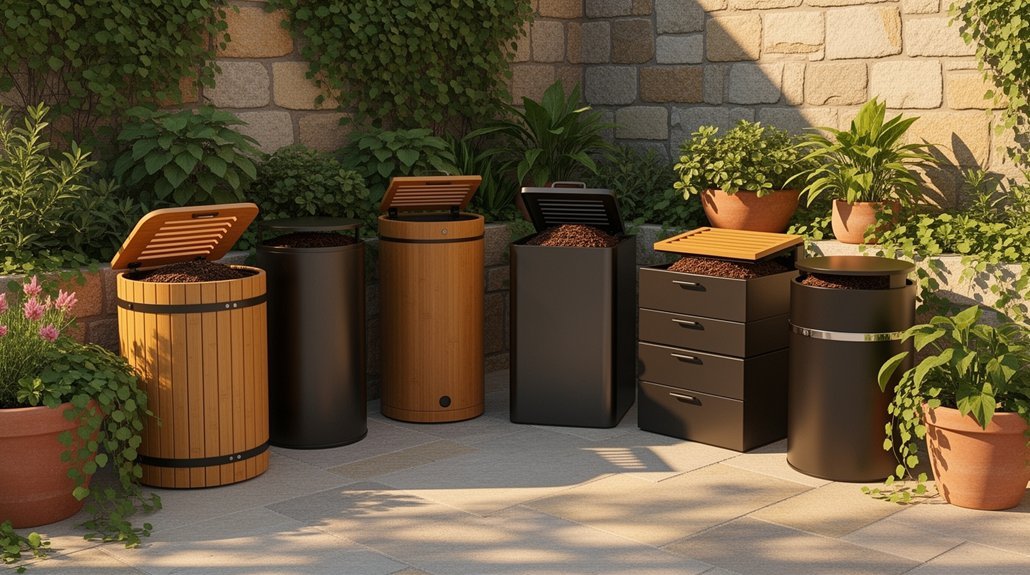
A well‑designed perforated bin can instantly boost airflow by channeling fresh air in through the sides and bottom, creating a continuous vertical draft that keeps every layer oxygen‑rich. You’ll want a bin whose walls and base are riddled with evenly spaced vents, so air rushes in from multiple angles and climbs the pile without dead zones. Pair the side holes with a perforated base or pallet that leaves air gaps, turning the floor into a chimney‑like conduit. When you stack the compost, the upward draft pulls oxygen through the whole mass, eliminating the need for frequent turning. Designing with robust, rust‑resistant materials ensures the ventilation remains effective over time stainless steel durability.
Add High‑Carbon Bulking Material (Shredded Newspaper, Sawdust) for Porous Compost Airflow

Once your bin’s side and bottom vents are in place, fill the gaps between them with high-carbon bulking material—shredded newspaper, sawdust, or similar coarse fibers. These bulking materials create free air spaces that boost convection and keep the pile porous, so air can flow freely through the compost.
As you layer greens and browns, add a handful of shredded newspaper or a thin layer of sawdust every five inches; this prevents wet matter from compacting and maintains channels for upward airflow. The coarse fibers also curb moisture‑related matting, keeping the thermophilic phase steady.
Keep a steady supply on hand, because as the pile grows, the bulking materials will settle and need replenishing to sustain ventilation. Regularly replacing biodegradable liners and maintaining proper odor control components helps support consistent airflow and bin hygiene odor control components.
Poke Vertical and Horizontal Holes With a Sturdy Rod to Boost Compost Airflow
You can drive a sturdy rod straight down to pierce vertical channels, then sweep it horizontally to carve intersecting pathways. This basic aeration tactic helps maintain even moisture and airflow throughout the stack, supporting steady microbial activity and faster decomposition. airflow optimization
Vertical Rod Piercing
Ever wondered how a simple rod can transform a cramped compost bin into a well‑ventilated powerhouse? Grab a sturdy metal or bamboo rod and push it straight down from the bottom, then tilt it to make horizontal slashes across each layer. This creates a network of channels that let fresh oxygen rush in while heat and moisture escape, keeping the pile in the aerobic range and preventing hotspots. Regularly rinsed coir bricks, when used as bedding, also support improved drainage and aeration in worm beds and compost systems low salt content.
Horizontal Channel Creation
Horizontal channels break up compacted layers and microclumps, preserving oxygen pathways where space limits turning. When you insert the rod at a shallow angle, you create side‑to‑side passages that let cooler outside air rush in while warm air rises through the vertical chimneys. This approach also aligns with the concept of monthly sun recharge mentioned for long-lasting porous charcoal systems to maintain porosity, ensuring continued airflow efficiency. porosity maintenance
Use a Hand‑Held Aerator or Screw‑Type Probe to Inject Oxygen Without Turning the Pile

Could a hand‑held aerator or screw‑type probe be the shortcut to oxygenating a compact compost without turning the whole pile? You can inject fresh air directly, keeping the pile hot and aerobic while preserving space. The tool’s corkscrew action creates new pathways, so you maintain thermophilic activity without full turnover. Master the wiggle‑and‑retract motion to advance channels as you work, and pair the aerator with a bin stirrer to redistribute material and protect pockets. Incorporating a compact drainage tray or bin well‑aligned with the aeration process drainage efficiency can further reduce moisture pockets during aeration cycles.
Maintain Moisture at ~50‑60 % to Keep Compost Airflow Clear of Water Blockage
Keeping compost moisture around 50‑60 % is essential for preventing water‑filled channels that choke airflow. You’ll want to check the pile daily with a quick grip test; if it feels soggy, add dry browns, if it feels dry, mist the surface lightly. Bulking materials like shredded newspaper or straw create air pockets that keep the air flow steady while supporting moisture management. Sprinkle a thin layer of water on the cover when the top dries out, but avoid soaking the core—excess liquid collapses pores and blocks oxygen diffusion. Adjust incrementally, aiming for that sweet spot where microbes stay active and the compost stays breathable, ensuring your compact system runs efficiently.
Monitor Temperature and Keep the Pile Small Enough to Sustain Healthy Compost Airflow
Why does temperature matter for airflow? Hot compost consumes oxygen faster and pushes air upward, choking the lower layers. By watching temperature you can keep the pile in the sweet spot where microbes thrive without starving the interior of oxygen.
- Measure daily – use a probe to spot spikes above 65 °C; cool it down by turning the pile or adding fresh material.
- Limit size – keep width at 10–15 ft and height at 6–8 ft; smaller piles let air circulate naturally.
- Add gradually – layer new scraps thinly, avoid overloading, and preserve convection channels.
Staying within these limits maintains steady airflow and a healthy temperature range, so your compact composter decomposes quickly and uniformly.
Frequently Asked Questions
What Is a Natural Accelerator for Compost?
You use high‑carbon bulking materials like sticks, twigs, pine cones, or sawdust as natural accelerators; they create air pockets, boost aeration, and speed decomposition without needing to turn the pile.
How Do the Amish Compost?
You’ll build a base of pallets or perforated boards, layer coarse sticks, twigs, and bulking material, poke holes regularly, keep moisture around 50‑60%, and add fresh twigs to prevent compaction.
What Are Common Composting Mistakes?
You often over‑wet, compact, or pile too high, which blocks oxygen; you ignore turning, neglect proper carbon‑to‑nitrogen ratios, and skip adding bulking material, leading to slow, smelly decomposition.
Do Compost Bins Need Airflow?
Yes, you need airflow in compost bins; it keeps the material aerobic, speeds decomposition, and prevents foul odors. Ensure vents, perforated bases, and proper moisture so oxygen reaches every part of the pile.
In Summary
By combining a coarse‑wood base, a perforated bin, and plenty of carbon bulking material, you’ll keep air moving through your compact composter. Poking extra holes with a sturdy rod and using a hand‑held aerator injects oxygen without the need to turn the pile. Keep moisture at 50‑60 % and the pile small enough to stay warm, and you’ll maintain the airflow essential for fast, odor‑free composting.