You’ll get usable compost in 2‑3 weeks instead of months, because airtight Bokashi bins keep the process anaerobic, suppressing odors and methane while locking in nitrogen and phosphorus. The sealed container lets you ferment dairy, meat, and oily scraps without stinking up the kitchen, and the spigot drains nutrient‑rich bokashi tea for immediate plant feeding. By cutting aerobic breakdown, you slash CO₂ and nitrous‑oxide emissions, making indoor fermentation far greener. Keep reading to discover how to fine‑tune moisture, oxygen, and integration with compost or worm bins.
Why Bokashi Fermentation Beats Composting in Speed
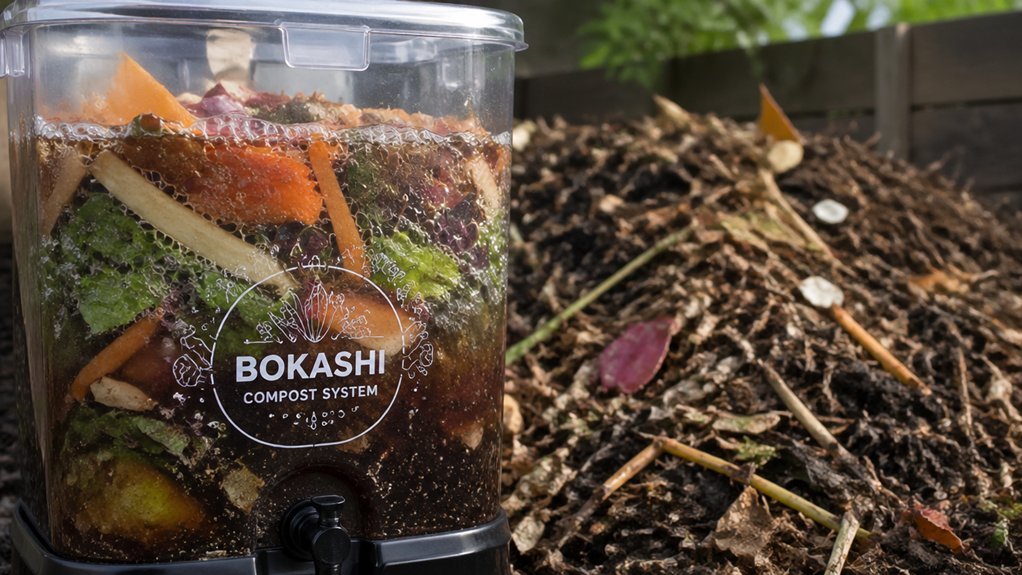
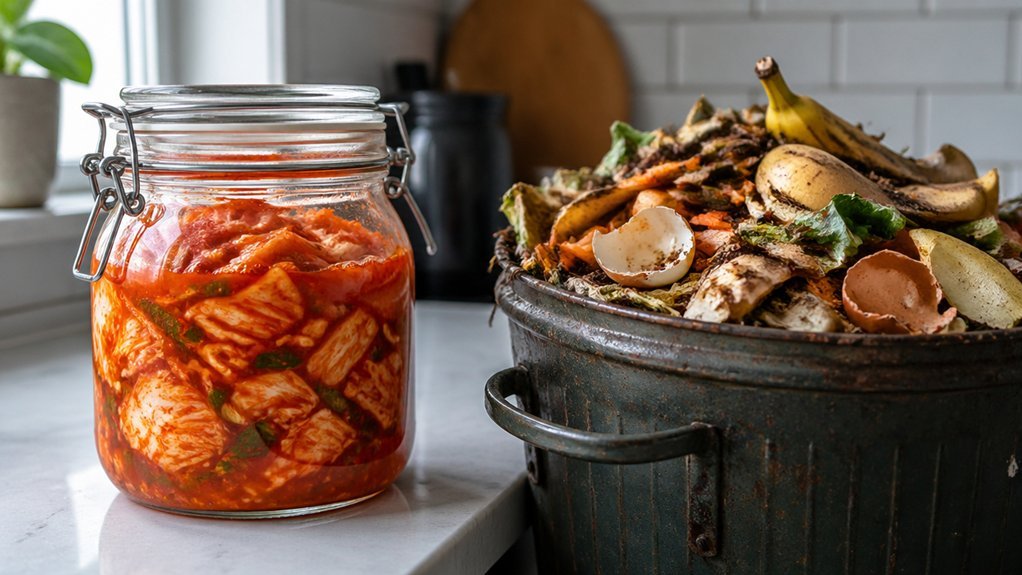
Why does speed matter when you’re turning kitchen scraps into soil? If you want nutrients usable material fast, fermentation speed is everything. Bokashi delivers a pre‑compost in just 2–3 weeks, whereas aerobic piles can take months. You’re airtight bin keeps oxygen out, so microbes work anaerobically, suppressing methane and accelerating breakdown. The process also produces bokashi tea, a liquid fertilizer you can drip into plants right away, turning waste into nutrients instantly. Once the fermented mass is ready, you can bury it in soil or toss it into a traditional compost heap to finish the job, cutting overall throughput time dramatically. By skipping the long curing phase of conventional composting, bokashi lets you recycle kitchen waste on a schedule that matches your lifestyle. odor control also plays a crucial role in keeping indoor setups practical for small spaces.
How Airtight Bokashi Bins Eliminate Indoor Odors
You’ll notice that the airtight design blocks oxygen, so the fermentation stays anaerobic and the smells stay trapped inside. The built‑in spigot lets you drain the bokashi liquid without releasing odors into the room. Even dairy, fats, or meat won’t cause a stink because volatile compounds can’t escape the sealed bin. The same tools category highlights that jar compatibility includes wide-mouth and regular-mouth jars for versatile use jar compatibility and sizing.
Airtight Design Prevents Odors
Because the bin is sealed, oxygen can’t get in, so odor‑producing microbes stay dormant and the smells stay inside. You’ll notice that bokashi fermentation thrives in an airtight bin, keeping volatile compounds locked away. The design creates a low‑oxygen environment that suppresses the microbes responsible for foul smells, so your kitchen stays fresh even while waste breaks down.
- No oxygen influx → microbes stay inactive.
- Liquid drainage via a spigot prevents soggy, smelly buildup.
- Sealed container contains any volatile emissions.
- Controlled environment eliminates odor leaks during storage.
Odor‑Free Fermentation Process
Sealing the bin not only blocks oxygen but also locks in the acidic, anaerobic conditions that make bokashi fermentation virtually odor‑free. You’ll notice that airtight bokashi bins keep smells contained because they shut out the airflow that fuels odor‑producing microbes. When you add kitchen scraps, the bin’s sealed environment forces the waste into an acid‑rich, anaerobic process, which suppresses the foul aromas typical of open compost piles. The spigot lets you drain bokashi tea, removing any liquid that could otherwise emit a sour scent. By topping each layer with bran and ensuring a tight seal, you create a controlled, odor‑free system that works perfectly in apartments or kitchens. This method dramatically lowers odor risk compared with traditional composting, letting you process waste without disturbing neighbors. MOISTURE CONTROL helps maintain the right conditions by keeping absorption high and liquids contained, supporting efficient fermentation and steady microbial activity.
Controlling Oxygen to Keep Bokashi Fermentation Anaerobic
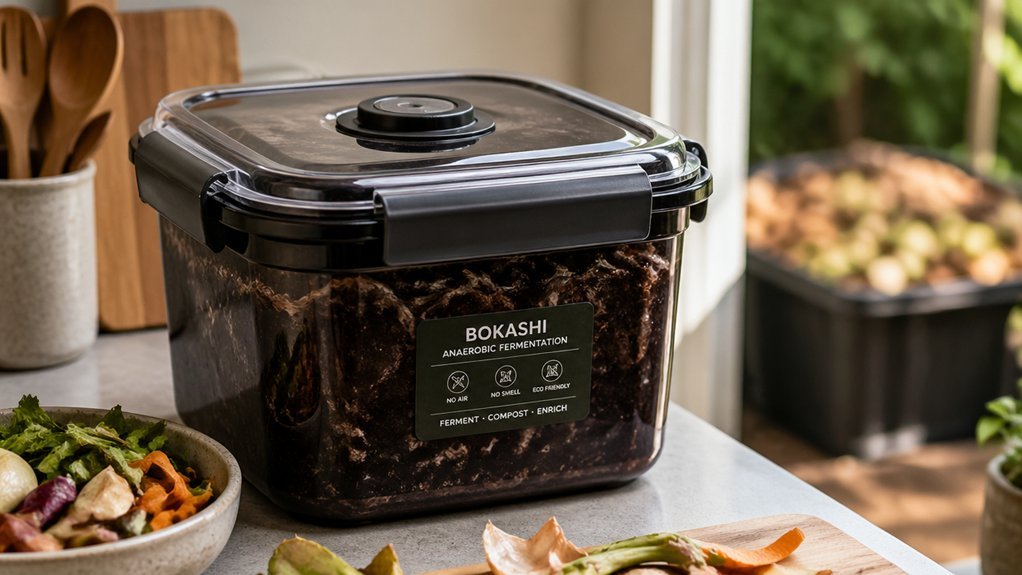
You’ll notice that a tight seal is the key to keeping oxygen out and the bokashi process truly anaerobic. By choosing a bin with a reinforced, airtight lid and a spigot, you maintain low‑oxygen conditions for the full 2–3 weeks. This design prevents the shift to aerobic composting and lets the organic acids do their work. Regular filter maintenance supports consistent odor control and ongoing effectiveness odor-control filters.
Seal Oxygen Levels
How can you keep bokashi truly anaerobic? By sealing oxygen levels tightly, you create the perfect environment for lactobacillus‑driven fermentation. Low oxygen—under 5 mg/L—keeps odor minimal and prevents methane‑producing microbes. Your container should let you drain bokashi liquid without letting air slip back in. Follow these steps to lock in the right conditions:
- Choose a lid with a rubber gasket that compresses fully.
- Press the lid down firmly after each addition of waste.
- Verify the seal by feeling for air leaks around the rim.
- Store the bin in a cool, stable spot to avoid temperature‑induced pressure changes.
These actions maintain the low‑oxygen atmosphere essential for efficient, odor‑free bokashi fermentation. Seal integrity
Seal Airtight Design
A tightly sealed lid with a rubber gasket keeps oxygen out, turning the bin into a true anaerobic chamber where lactobacillus can thrive. You’ll notice the airtight design eliminates smells, letting you keep the bokashi bin inside kitchens or apartments without embarrassment. The spigot lets you drain liquid without opening the container, preserving the anaerobic fermentation throughout the 2‑3‑week cycle. By blocking oxygen, you steer microbes toward lactic‑ and acetic‑acid production, preventing aerobic decomposers from taking over. Consistent moisture stays locked in, so the ferment stays stable and efficient. The emphasis on a durable, clearly labeled container also supports long‑term organization and reduces cabinet clutter measuring labels.
Preserving Nitrogen and Phosphorus With Bokashi Fermentation
Ever wondered why bokashi keeps more nitrogen and phosphorus than a regular compost heap? You’ll find that its anaerobic, acid‑rich environment locks nutrients in place, preventing the ammonia and nitrous losses that plague aerobic piles.
When you mix kitchen scraps with inoculant, the fermentation stabilizes organic matter early, so N and P stay in large molecular forms.
Later, when you bury the fermented cake, you deliver a nutrient‑dense boost to soil.
- Limited nitrogen loss – most N remains bound, not volatilized.
- Phosphorus retention – P stays in the mass instead of leaching.
- Higher NPK density – per unit mass, bokashi outperforms finished compost.
- Immediate soil benefit – the pre‑compost enriches fertility as soon as you incorporate it.
Bokashi Fermentation’s CO₂ and Greenhouse‑Gas Reduction
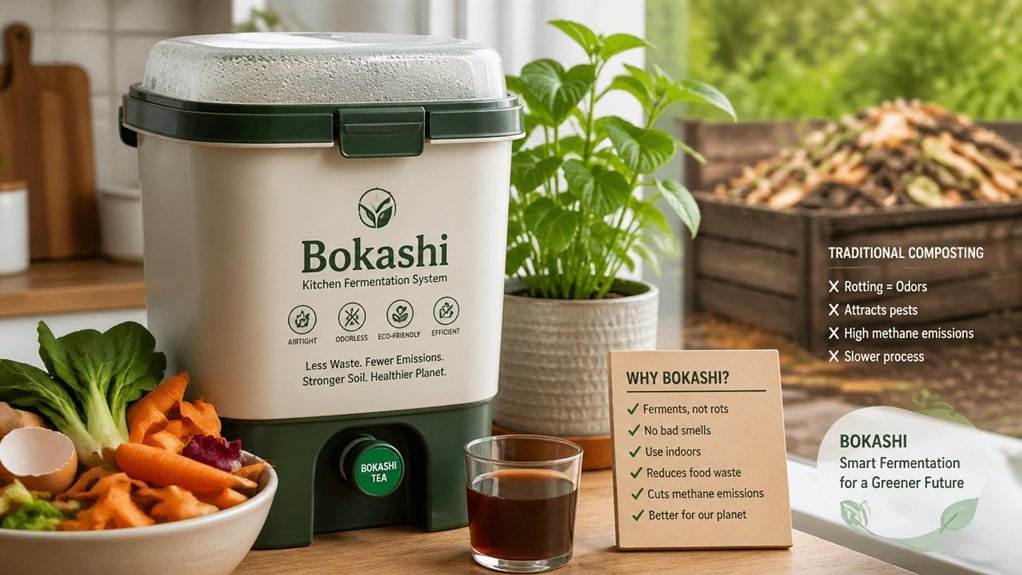
You’ll notice that bokashi’s airtight, anaerobic process cuts CO₂ emissions dramatically—some studies report up to sixteen times less than open‑air composting.
Because the system keeps nitrogen locked in, it also curtails nitrous‑oxide releases that typically accompany traditional piles.
The result is a noticeably lower overall greenhouse‑gas footprint for indoor bokashi compared with conventional composting.
CO₂ Emissions
Why does Bokashi cut CO₂ emissions so dramatically? You’ll see that its airtight, anaerobic environment keeps carbon locked in the waste instead of letting it escape as gas. By slowing oxidation, bokashi reduces the volatile carbon loss that traditional piles spew into the atmosphere, slashing greenhouse gases overall. The process also preserves nitrogen, meaning you need fewer inputs to maintain soil health, further trimming your carbon footprint.
Key reasons for lower CO₂:
- Airtight fermentation traps carbon, preventing aerobic release.
- Acid‑preserving conditions minimize methane formation.
- Energy‑efficient nutrient retention cuts auxiliary emissions.
- Smaller volatile gas output translates to a reduced greenhouse‑gas profile.
Lower Greenhouse Gas Output
Because bokashi ferments waste in an airtight, anaerobic environment, it traps carbon that would otherwise oxidize and escape as CO₂, dramatically cutting greenhouse‑gas emissions compared with open‑air composting. You’ll notice the difference in nitrogen retention, energy use, and methane suppression. Bokashi fermentation keeps nitrogen in the substrate, slashing ammonia loss, while its low‑oxygen, acidified conditions curb methanogenesis. The result is a smaller carbon footprint and a clear advantage for indoor waste management. Double-side laser markings help ensure precise portioning even during ongoing use, reinforcing reliability in measurement across different models.
Balancing Moisture and C:N for Indoor Bokashi Success
Ever wondered how a sealed bokashi bin can stay healthy without turning into a soggy mess? You need a steady moisture balance and the right C:N ratio. Aim for a C:N of about 25‑30:1 and keep the mix damp, not dripping. Drain the bokashi tea regularly through the spigot to prevent excess liquid and odor. If it feels dry, sprinkle a few water‑rich scraps or a splash of water; if it’s wet, add dry bulking material like shredded newspaper.
Maintain a 25‑30:1 C:N ratio, keep mix damp, drain liquid daily, adjust with wet or dry additives.
Quick checklist
- Measure kitchen scraps for a 25‑30:1 C:N ratio.
- Test moisture: a wrung‑out sponge should feel moist, not soggy.
- Drain liquid daily to maintain balance.
- Adjust with wet or dry additives as needed.
Harvesting Bokashi Tea as a Natural Plant Fertilizer
Ever wondered how you can turn the clear, slightly sour liquid draining from your bokashi bin into a powerful plant booster? You can harvest bokashi tea by opening the spigot after the 2–3 week fermentation and collecting the nutrient‑rich runoff.
Dilute it 1:10 with water, then pour it at the base of houseplants or garden beds. The liquid delivers nitrogen, phosphorus, and potassium straight to roots, boosting growth without odor or mess.
Because the process is airtight, the tea stays fresh and safe for indoor use. Apply once a week during the growing season, and you’ll recycle kitchen‑scrap nutrients directly into your green space, turning waste into a thriving fertilizer.
What to Do With the Solid After Draining Bokashi Tea?
After you’ve collected the bokashi tea, the remaining solid—still rich in fermented nutrients—needs a second step before it can benefit your garden. Treat this bokashi solid as a post‑tea input that still has work to do.
You can accelerate its breakdown and release nutrients by following one of these simple actions:
- Bury it in garden beds – dig a trench 6‑8 inches deep, drop the solid, and cover with soil.
- Add it to a tumler – mix with brown material, tumble for a week, then let it aerate.
- Combine with potting mix – stir into new containers to boost fertility.
- Layer with yard waste – create a compost heap where the solid acts as a high‑nitrogen starter.
Each method turns the post‑tea input into a valuable, slow‑release amendment.
Adding Fermented Bokashi to Compost or Worm Bins
How can you boost your compost or worm bin with the nutrient‑dense bokashi you’ve just fermented? Toss the fermented mass straight into your pile or bury it in a corner of your worm bins. The airtight bokashi fermentation leaves a rich, pre‑compost slurry that microbes in open‑air bins quickly break down, cutting the overall processing time. Stir the material into the top layer, then add a handful of dry leaves or newspaper to balance moisture.
In worm bins, the softened feed is easier for the worms to ingest, speeding their growth and increasing castings. Capture the draining bokashi tea with a spigot and sprinkle it over the surface; the liquid fuels soil biology and enriches plant nutrients. This indoor method keeps odors low and works year‑round, even in tight spaces.
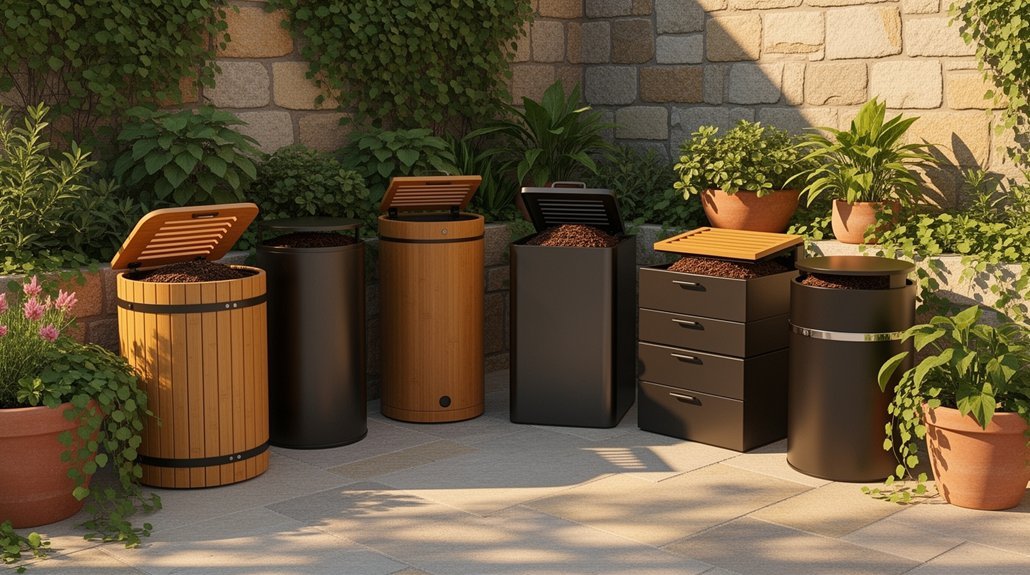
Compact Bokashi Bins for Kitchens and Balconies
After you’ve mixed fermented bokashi into your compost or worm bin, the next step is to keep the fermentation itself contained in a compact, airtight bin that fits on a kitchen counter or balcony railing. A good compact Bokashi bin lets you manage odors, capture bokashi tea, and keep the process moving during winter or when space is tight. You’ll appreciate the ability to process dairy, fats, and meats that worm bins reject, all while staying indoors.
A compact, airtight Bokashi bin manages odors, captures tea, and processes dairy, fats, and meats indoors.
- Choose a bin with a sealed lid and a spigot for liquid collection.
- Position it where you can easily add scraps and stir the mix.
- Monitor the 2–3‑week fermentation cycle and empty the tea weekly.
- Store the finished pre‑compost in a small container until you transfer it to a garden or worm bin.
Common Bokashi Fermentation Pitfalls and How to Fix Them
Ever wondered why your bokashi sometimes smells or stalls? You’re probably missing one of the simple fixes that keep Bokashi fermentation humming.
| Pitfall | Symptom | Fix |
|---|---|---|
| Poor airtight sealing | Odors, slow breakdown | Press lid firmly, use a gasket, keep fill level low |
| Not enough bran or uneven layers | Clumps, incomplete preservation | Sprinkle generous bran, mix scraps evenly |
| Leaking or overflowing liquid | Spigot drips, soggy bin | Stop before full, clean spigot, use correct bin size |
| Cold temperature | Sluggish microbes | Store bin in warm, draft‑free spot |
Choosing the Right Bokashi System for Urban Homes
What makes a bokashi system work well in a city apartment? You need airtight sealing, a compact bin, and a way to capture the leachate that fuels indoor fermentation without stinking up the space.
- Size – Choose a bin that fits under a kitchen counter or on a balcony shelf; 5‑10 L is ideal for a single‑person household.
- Drainage – Look for a spout and a detachable tray to collect bokashi tea, so you can water houseplants or garden beds.
- Lid seal – A silicone gasket or lock‑tight lid keeps odors locked out and creates the anaerobic environment indoor fermentation needs.
- Material – Food‑grade plastic resists corrosion and is easy to clean, extending the system’s life.
Frequently Asked Questions
What Are the Risks of Fermenting at Home?
You risk odor leaks if the container isn’t sealed, nutrient loss from improper moisture, harmful anaerobic gases, mold growth, and spillage that attracts pests. Proper monitoring and airtight setup prevent these issues.
What Is the Most Effective Composting Method?
You’ll find bokashi the most effective method; it speeds up breakdown, cuts odors, preserves nutrients, and produces a liquid fertilizer, all while emitting far less CO₂ than traditional outdoor compost.
Can I Put Toilet Rolls in Compost?
Yes, you can compost toilet rolls—shred them first, mix them with greens to balance carbon, keep the pile moist and aerated, and turn it regularly so they break down quickly.
What 14 States Allow Human Composting?
You can compost humans in Colorado, Washington, Oregon, Vermont, Maine, New York, New Jersey, Pennsylvania, California, Nevada, Arizona, Texas, Michigan, and Illinois, provided you follow each state’s specific regulations and permitting processes.
In Summary
You’ve seen how bokashi’s airtight, anaerobic process speeds up breakdown, curbs odors, and locks in nitrogen and phosphorus while cutting greenhouse‑gas emissions. By turning kitchen scraps into a nutrient‑rich ferment you can feed compost piles, worm bins, or garden soil, you get healthier plants with less waste. Choose a compact system that fits your kitchen or balcony, avoid common pitfalls, and you’ll enjoy a cleaner, faster, and more sustainable indoor composting solution.