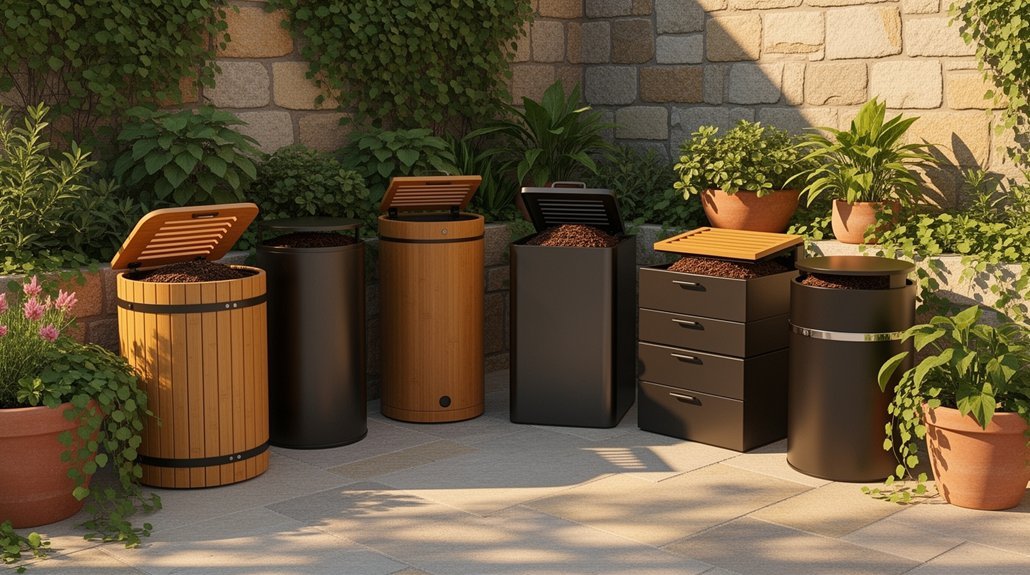

Aerate your tea right from the start and keep the flow steady, use chlorine‑free water (let tap water sit or filter it), and stick to a 5 gal‑per‑1 lb compost‑to‑water ratio. Add dry carbon like sawdust or leaves to balance C:N, keep the brew between 55‑65 °F, and limit brewing to 24 hours. Burp and stir every few hours, then store leftovers in a sealed, opaque container in the fridge. Follow these steps and you’ll keep the brew fresh while learning even more tricks.
Why Compost Tea Smells – The Root Causes
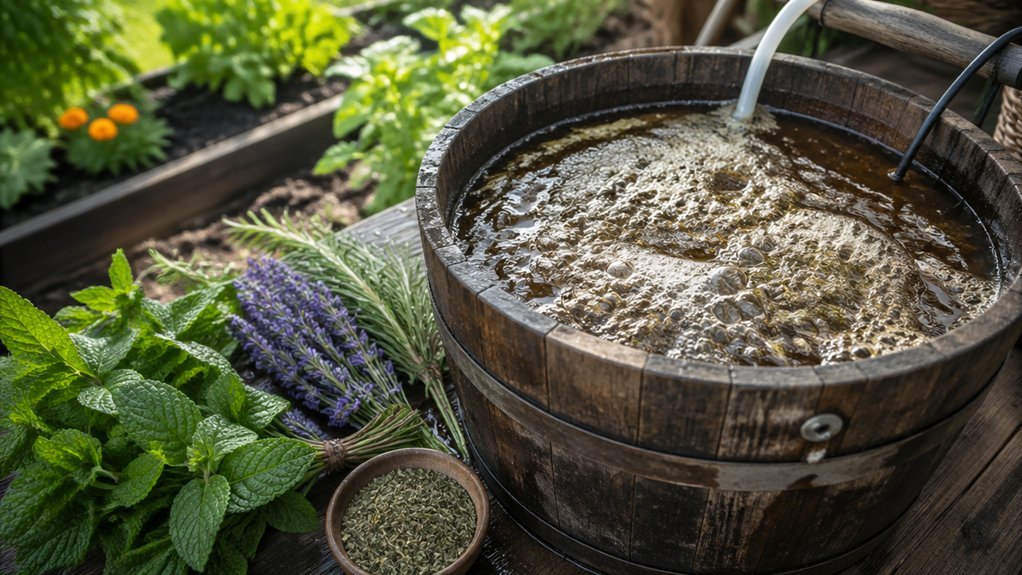
Why does your compost tea stink? You’re probably missing proper aeration, letting anaerobic bacteria take over and spew foul smells. When you overload the brew with too much compost, nutrient levels spike, oxygen gets sucked out, and the brew turns sour. Cold temperatures slow the good microbes, while scorching heat drives off water and kills the beneficial ones, both scenarios inviting stench. Letting the tea sit beyond 24 hours gives harmful bacteria a longer runway to multiply, intensifying the odor. Keep the compost‑to‑water ratio balanced, stir or pump air in regularly, and brew within a day. By managing aeration and temperature, you’ll cut the stink at its source. Aeration is a key factor in odor control, and using a container with proper lid design and filtration, like a model with a dual-filter system, can help maintain airflow and reduce odors.
Aerate the Tea From the Start – Oxygen Keeps It Smell‑Free
If you’ve already seen how anaerobic conditions create that sour stink, the next step is to flood the brew with oxygen right from the start. Begin by attaching a reliable air‑erating system or whisking the mixture vigorously so oxygen saturates the liquid immediately. Keep the flow steady; a moderate, continuous agitation prevents oxygen from dropping and starving the good microbes. Choose an aerator sized for your batch and let it run for the entire brewing period, ensuring consistent aeration throughout. Include a sturdy handle or vessel design to facilitate easy transfer during aeration and cleanup air circulation. Avoid dense, sludgy textures—keep the compost coarse enough to stay loose, allowing water to circulate and air pockets to stay open. This constant oxygen supply suppresses odor‑producing anaerobes, leaving your tea fresh and scent‑free.
Select the Right Water to Prevent Compost Tea Odor

You’ll want pure water free of heavy metals, nitrates, pesticides, chlorine, salt, and pathogens to keep odor‑causing contaminants out of your tea.
If you’re using tap water, let it sit for a few hours or run it through a carbon filter to strip chlorine before you mix.
Pre‑aerating or aging the water also helps maintain a balanced microbial community and reduces the chance of foul smells.
Using activated bamboo charcoal or bamboo charcoal air purifying options as a comparison can inspire you to choose water treatments that reduce contaminants and odors at the source carbon filtration.
Pure Water Selection
Wondering which water will keep your compost tea fresh? Choose water that’s free of heavy metals, nitrates, pesticides, chlorine, salt, and pathogens. Pure water quality is essential because contaminants spark unwanted microbial activity that creates foul smells. If you rely on tap water, let it sit for 24 hours; the chlorine will dissipate, giving aerobic microbes a healthier environment. Filtered water or rainwater works well, stripping chlorine and additives while retaining enough minerals for beneficial microbes. Using water that meets post-use composting considerations can further support a healthy microbial balance for your brew water quality standards.
Chlorine Removal Techniques
How can you keep chlorine from spoiling your compost tea? You need effective chlorine removal before brewing. First, let tap water sit uncovered for 24 hours to off‑gas chlorine. If you’re in a hurry, use a commercial dechlorinator or add ¼ teaspoon of vitamin C per gallon to neutralize chlorine instantly. For chloramine‑contaminated supplies, choose a dedicated dechlorination product or aerate the water longer, because boiling won’t work and can harm microbes. Always check your local water report to know whether you’re dealing with chlorine, chloramine, or chlorate, then match the method accordingly.
- Let water stand 24 h uncovered.
- Add vitamin C (¼ tsp/gal) for quick removal.
- Use a commercial dechlorinator for chloramine.
- Aerate or let sit longer for ammonia‑based compounds. Chlorine mitigation supports odor control during fermentation and helps protect beneficial microbes.
Balance Compost‑to‑Water Ratios – 5 gal per 1 lb for a Clean Brew
You’ll want to measure the water accurately, then give the mix a good stir before brewing.
Using the 5 gal‑to‑1 lb ratio keeps nutrients balanced and oxygen levels high, preventing foul smells.
Once it’s brewed, dilute the tea before applying it to your plants.
Additionally, using well‑sourced coir bedding and maintaining low salinity, as highlighted in sustainable coir guidance, helps prevent odors by supporting a healthier worm bin and reducing salt buildup low salinity.
Measure Water Accurately
A proper 5‑gal‑per‑1‑lb ratio keeps your compost tea oxygen‑rich and odor‑free, so measure both water and compost precisely. Use a clean, chlorine‑free source; water quality directly affects microbial health and scent. Follow these steps to lock in the right balance:
- Fill a calibrated 5‑gallon container with filtered water.
- Weigh exactly 1 lb of well‑squeezed, dewatered compost.
- Add the compost to the water, stirring gently to disperse.
- Record the measurements in a brewing log for repeatability.
– For best results, select a kit designed for apartment use that supports a crawl‑out harvest system and leachate management to minimize odors during frequent cycling. leachate management
Stir Before Brewing
Stirring the compost and water before brewing spreads the solids evenly, ensuring the 5‑gal‑per‑1‑lb ratio stays consistent and eliminates pockets where odor‑producing anaerobes could thrive.
You’ll notice that a vigorous stir before brewing helps keep the mixture aerobic, because oxygen circulates through the brew and prevents stagnant zones.
As you stir, look for clumps or excess moisture; spotting them early lets you adjust the ratio before fermentation starts.
This simple step also stabilizes microbial extraction, so the tea stays clean and fragrant.
Consistent, thorough stirring before brewing creates a uniform environment, reduces hotspots, and supports a balanced compost‑to‑water blend that resists foul smells.
Use a sturdy paddle, stir for at least two minutes, and you’ll set the stage for a pleasant, odor‑free compost tea.
Dilute Prior Application
Wondering how to keep your compost tea smelling fresh? Start by brewing a clean concentrate—5 gal of water per 1 lb of compost—then practice proper dilution before you hit the garden. This step cuts volatile compounds, prevents nutrient overload, and keeps aerobic microbes thriving. Follow these actions:
- Measure 5 gal water for each pound of compost.
- Stir the brew for 24 hours, aerating continuously.
- Dilute the concentrate to a 1:5 or 1:10 ratio (e.g., 1 gal concentrate + 4 gal water).
- Apply within 24 hours, spreading evenly across soil or foliage.
Add Carbon to Stop Compost Tea Odor – Dried Leaves or Sawdust
Adding dried leaves or sawdust to your compost tea introduces carbon that balances the C:N ratio, curbing the sour, anaerobic smells that often develop. You’ll want to treat these as brown material, mixing them in a 2:1 to 3:1 brown‑to‑green ratio. The leaves add bulk and porosity, creating channels for air and helping moisture stay even, while sawdust soaks up excess liquid and builds a spongy structure that keeps oxygen flowing. After you stir in the carbon, give the brew a quick shake and check that it feels damp, not soggy. If it looks too wet, add a bit more brown material or stir more vigorously to restore aeration. Regular monitoring ensures the tea stays aerobic and odor‑free.
Use a Fine‑Mesh Untreated Bag to Prevent Leaks
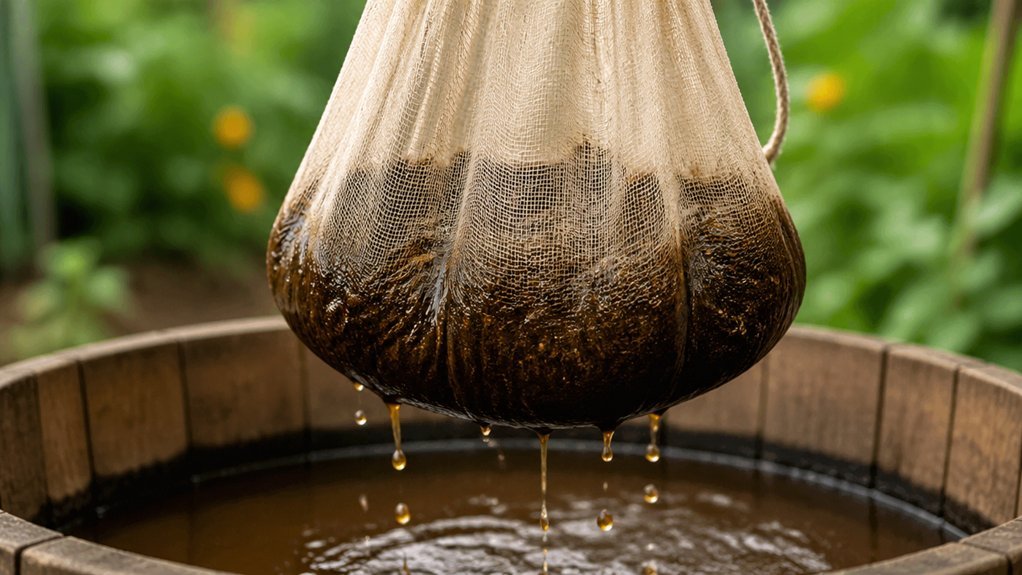
Since the carbon you added can settle and release particles, trapping the brew in a fine‑mesh, untreated bag keeps everything contained and odor‑free. You’ll notice cleaner tea, less splash, and a noticeable drop in musty smells when you use proper Compost tea containment. Choose a sturdy nylon stocking or burlap piece, tie it tight, and inspect it before each batch. The bag’s tiny openings block solids while letting water flow, so you avoid clogs and keep the brew fresh.
Fine‑mesh bags trap particles, prevent clogs, and keep compost tea clean and odor‑free.
- Pick a bag with mesh under 1 mm.
- Secure the opening with a twist tie or knot.
- Submerge and aerate for the recommended time.
- Rinse, dry, and replace if fibers fray.
Keep Brew Temperature 55‑65 °F to Inhibit Smelly Bacteria
Keep your brew between 55°F and 65°F to stay within the sweet spot where beneficial microbes thrive but smelly, anaerobic bacteria are held back. An insulated vessel will buffer ambient temperature swings and stop heat‑induced fermentation that creates foul odors. Check the thermometer regularly so you never drift out of the optimal range.
Maintain Ambient Temperature Range
Ever wonder why a cool brew stays fresh? You’re already on the right track by keeping the compost tea at 55‑65 °F. That temperature band stalls odor‑causing anaerobic bacteria while letting aerobic microbes thrive, giving your tea an earthy scent instead of a rotten one. If the brew nudges above 65 °F, move it to a cooler spot or slip in ice packs to pull the temperature back.
- Choose a shaded basement or garage for the fermenter.
- Use a digital thermometer to monitor the ambient range every few hours.
- Add frozen water bottles or ice packs when the reading climbs.
- Keep the container sealed but allow a tiny vent for air exchange.
Consistent temperature control across the 24‑48 hour window dramatically cuts odor risk.
Avoid Heat‑Induced Fermentation
If you let the brew drift above 65 °F, heat‑loving bacteria will take over and produce the rotten‑egg smell you’re trying to avoid. Keep the temperature between 55 °F and 65 °F to suppress those foul‑smelling microbes. Brew in a shaded spot or a cool room, and use a reliable thermometer to watch the heat.
Low temperatures slow microbial metabolism, which reduces hydrogen sulfide and other anaerobic gases. Maintaining steady temperature also helps keep oxygen levels high, preventing the shift to anaerobic fermentation.
Check the brew daily, and if it starts to warm, move it to a cooler area or add ice packs. By controlling heat, you curb sour, rotten‑egg odors before they develop.
Use Insulated Brewing Vessel
How can you keep your compost tea from turning sour? Use an insulated brewing vessel to lock the brew at 55‑65 °F, the sweet spot that stalls smelly anaerobic bacteria. Insulation steadies temperature, prevents sudden spikes, and curbs the hydrogen sulfide spikes that smell like rotten eggs. It also cuts condensation and venting, keeping odors sealed inside while you brew.
- Choose a double‑wall container with foam or reflective insulation.
- Fill it with cold water and add a thermometer to monitor the 55‑65 °F range.
- Wrap the vessel in a blanket or place it in a cool cellar to maintain stability.
- Brew for no more than 24‑48 hours, then strain and store promptly.
Limit Brew Time – Harvest Within 24 Hours to Avoid Anaerobic Growth
Why let your compost tea sit too long? You’ll invite anaerobic bacteria that smell sour and sour. Good brewing time management means you start the brew, aerate it well, and harvest before the 24‑hour mark. By ending the process on day 1 or early day 1.5, you keep the microbial community aerobic, preserving earthy aromas and preventing hydrogen sulfide or putrescine from forming. A short, focused brew limits dangerous microbes, keeps the tea’s beneficial balance intact, and eliminates the stinky, rotten‑egg scent that develops when fermentation goes off‑track.
Set a timer, plan your application schedule, and stick to the 24‑hour window. This simple habit ensures you reap a fresh, odor‑free tea every time.
Burp and Stir Often to Keep the Brew Fresh
Burpping the jar and stirring the brew on a regular schedule injects fresh oxygen, keeps carbon dioxide from building up, and stops anaerobic pockets from forming. You’ll notice a brighter, earthier scent when you burp and stir, because oxygen fuels aerobic microbes and dilutes hydrogen sulfide. Consistent agitation also spreads nutrients evenly, preventing localized stink zones. Follow this simple routine:
Burp and stir regularly to oxygenate, prevent CO₂ buildup, and keep your brew fresh and aromatic.
- Open the lid for 10 seconds every 4 hours.
- Give the mixture a gentle stir for 30 seconds.
- Close the lid tightly, then let it sit for the next interval.
- Repeat the cycle for the entire fermentation period.
Store Leftover Tea Safely – Refrigerate or Compost Immediately
Ever wonder what to do with leftover compost tea? You should refrigerate it promptly, ideally within a few hours, to slow microbes and curb odor. If you can’t refrigerate, use the brew within 24 hours, keep it aerated, and apply it fresh. Label each container with the date and contents, and store the tea in a clean, opaque bottle to block light. When immediate use isn’t possible, dilute the remaining tea with clean water and apply soon after to prevent sour smells.
| Action | Reason |
|---|---|
| Refrigerate | Slows microbial activity |
| Use within 24 h | Limits bacterial growth |
| Label | Tracks freshness |
| Opaque container | Reduces light‑driven changes |
| Dilute & apply | Prevents odor buildup |
Frequently Asked Questions
Why Does My Compost Tea Smell Bad?
Your compost tea smells bad because you’re creating anaerobic conditions—too much organic material, insufficient aeration, overly long brewing, or extreme temperatures let foul‑smelling bacteria dominate instead of the desirable, earthy microbes.
How to Neutralize Compost Odor?
You neutralize compost odor by aerating constantly, stirring hourly, adding a splash of citrus or vinegar, diluting the brew, and using clean, well‑balanced ingredients while keeping the mixture oxygen‑rich.
What to Put in a Compost Bin to Keep From Smelling and Prevent Meal Worms?
You should add plenty of browns—dry leaves, shredded cardboard, wood chips—keep the mix moist but not soggy, turn it regularly, and avoid meat, dairy, oily scraps; this prevents smells and meal‑worm infestations.
How Long Does Compost Take to Stop Smelling?
It usually stops smelling within one to two weeks if you keep it moist, turn it regularly, and avoid adding oily or meat scraps. Proper aeration and balanced ratios speed up the odor‑free transition.
In Summary
By keeping your brew oxygen‑rich, using clean water, and sticking to the right compost‑to‑water ratio, you’ll dodge the nasty smells. Add carbon sources, keep the temperature between 55‑65 °F, and limit brewing time to under a day. Stir and burp often, then store any leftovers in the fridge or use them right away. Follow these steps, and your compost tea will stay fresh, fragrant, and ready to boost your garden.