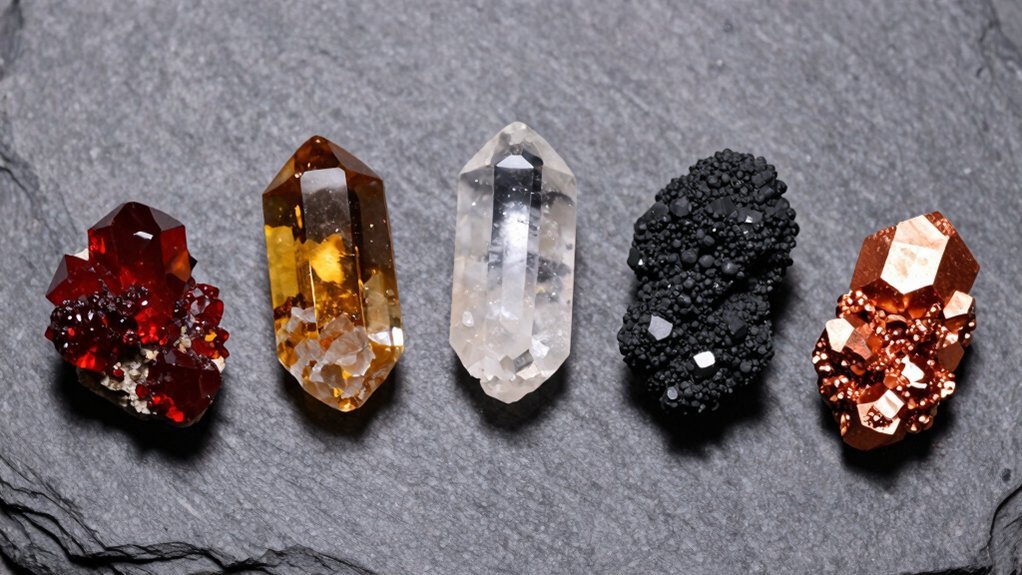
You’re probably wondering which rock dust minerals will actually make a difference in your garden this year. With so many options flooding the market, it’s easy to get overwhelmed by claims and packaging. The truth is, not all rock dusts deliver the same benefits for your soil and plants. Let’s explore what separates the top performers from the rest.
| Down To Earth Organic Azomite Powder Trace Minerals |  | Starter-Size Pick | Mineral Content: 70+ naturally occurring elements | Weight/Size: 1 lb | Form/Texture: Ultra-fine, low-dust powder | CHECK ON AMAZON | Read Our Analysis |
| Gaia Green Glacial Rock Dust 2 kg |  | Soil Structure Specialist | Mineral Content: Magnesium, iron, manganese, trace elements | Weight/Size: 2 kg | Form/Texture: Finely ground rock dust | CHECK ON AMAZON | Read Our Analysis |
| Azomite Raw Supply Organic Trace Mineral Powder 44LB Micronized White | 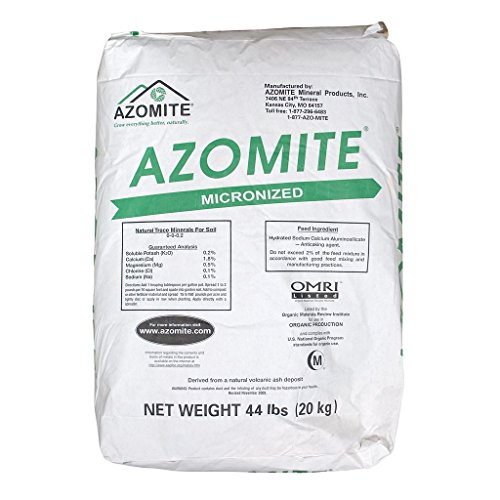 | Professional Grade | Mineral Content: 70+ minerals and trace elements (67 essential minerals) | Weight/Size: 44 lbs | Form/Texture: Micronized ultra-fine powder (-200 mesh) | CHECK ON AMAZON | Read Our Analysis |
| Azomite Rock Dust Volcanic Ash Trace Minerals 5lb |  | Certified Value Option | Mineral Content: 70+ micronutrients and trace minerals | Weight/Size: 5 lbs | Form/Texture: Micronized powder | CHECK ON AMAZON | Read Our Analysis |
| Greenway Biotech Azomite Rock Dust Organic Fertilizer (4 lbs) | 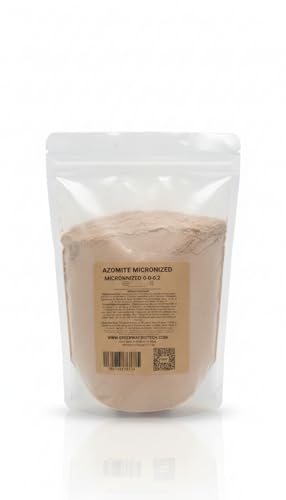 | Best Overall | Mineral Content: ~70 trace mineral elements and micro-minerals | Weight/Size: 4 lbs | Form/Texture: Micronized powder | CHECK ON AMAZON | Read Our Analysis |
More Details on Our Top Picks
Down To Earth Organic Azomite Powder Trace Minerals
Why settle for generic fertilizers when you’re working with limited space? Down To Earth’s Organic Azomite Powder delivers over 70 naturally occurring volcanic trace minerals in a convenient 1-lb package. This ultra-fine, low-dust powder remineralizes your soil while supporting robust root development and enhancing crop yields and flavor. OMRI certified and CDFA compliant, it’s ideal for small gardens and container setups. You’ll appreciate its versatility—mix it directly into compost, soil, or existing fertilizer. The economical mini box format lets you test it before scaling up larger commitments.
- Mineral Content:70+ naturally occurring elements
- Weight/Size:1 lb
- Form/Texture:Ultra-fine, low-dust powder
- Organic Certification:OMRI certified
- Primary Soil Benefits:Root health support, soil re-mineralization
- Recommended Application Rate:Test batch recommended before larger use
- Additional Feature:Ultra-fine, low-dust powder
- Additional Feature:Ideal for container gardening
- Additional Feature:Test batch sizing available
Gaia Green Glacial Rock Dust 2 kg
Gaia Green Glacial Rock Dust stands out as the ideal choice for gardeners seeking exhaustive soil remineralization in a convenient 2 kg format. This finely ground glacial moraine dust delivers magnesium, iron, and manganese alongside essential trace elements that enrich your compost and soil. You’ll notice improved soil structure, enhanced moisture retention, and better drainage as the product increases your soil’s cation exchange capacity. The minerals work to support robust plant vitality while revitalizing depleted soils. Whether you’re amending garden beds or composting, this product efficiently remineralizes your growing environment with the comprehensive mineral profile your plants require.
- Mineral Content:Magnesium, iron, manganese, trace elements
- Weight/Size:2 kg
- Form/Texture:Finely ground rock dust
- Organic Certification:Not specified
- Primary Soil Benefits:Soil re-mineralization, improved structure, moisture retention, drainage, CEC increase
- Recommended Application Rate:Suitable for soil and compost applications (rate not specified)
- Additional Feature:Improves cation exchange capacity
- Additional Feature:Enhances moisture retention capability
- Additional Feature:Glacial moraine sourced origin
Azomite Raw Supply Organic Trace Mineral Powder 44LB Micronized White
If you’re seeking a versatile, OMRI-listed mineral powder that’ll work across multiple growing systems, Azomite’s 44-pound micronized formulation delivers. You’ll get over 70 essential minerals and trace elements in an ultra-fine flour-like powder perfect for soil remineralization, hydroponics, and seed coating. The application rates vary by use: apply 3.5 lbs per 1,000 square feet for lawns, 1 lb per 10 square feet for flower beds, or 1/2 lb per 100 square feet for vegetables. With a 4.7-star rating from 1,441 reviews and ranking as the #258 best-selling garden fertilizer, you’ll join thousands of gardeners worldwide who’ve experienced improved root systems and plant vigor. This OMRI-certified option integrates seamlessly into existing fertilizer programs and potting soil blends.
- Mineral Content:70+ minerals and trace elements (67 essential minerals)
- Weight/Size:44 lbs
- Form/Texture:Micronized ultra-fine powder (-200 mesh)
- Organic Certification:OMRI listed for organic production
- Primary Soil Benefits:Soil re-mineralization, improved root systems and yields
- Recommended Application Rate:3.5 lbs per 1,000 sq ft (lawns); 1 lb per 10 sq ft (flower beds); 1/2 lb per 100 sq ft (vegetables/flowers)
- Additional Feature:Seed coating germination application
- Additional Feature:Used in 30+ countries
- Additional Feature:4.7-star rating (1,441 reviews)
Azomite Rock Dust Volcanic Ash Trace Minerals 5lb
Looking for extensive micronutrient coverage without breaking the bank? Azomite’s 5lb Rock Dust Volcanic Ash delivers over 70 trace minerals in a micronized powder format that you’ll easily incorporate into your soil. This Greenway Biotech product comes in a resealable heavy-duty bag, making storage convenient. You’ll appreciate how it functions as both a soil amendment and fertilizer supplement, enhancing crop yields across various plants. The certified dealer status ensures quality assurance. If you’re gardening or farming on a smaller scale, this 5-pound option provides excellent value, giving you professional-grade mineral supplementation without committing to bulk quantities. It’s an efficient choice for targeted micronutrient enhancement.
- Mineral Content:70+ micronutrients and trace minerals
- Weight/Size:5 lbs
- Form/Texture:Micronized powder
- Organic Certification:Certified dealer
- Primary Soil Benefits:Soil amendment, increased crop yield
- Recommended Application Rate:Incorporate into soil as directed (specific rate not specified)
- Additional Feature:Resealable heavy-duty bag packaging
- Additional Feature:Certified dealer verification included
- Additional Feature:Greenway Biotech brand backing
Greenway Biotech Azomite Rock Dust Organic Fertilizer (4 lbs)
Want to revitalize nutrient-depleted soil without synthetic chemicals? Greenway Biotech’s Azomite Rock Dust delivers exactly that. This OMRI-approved, micronized volcanic ash contains approximately 70 trace mineral elements and micronutrients your plants desperately need. You’ll get soluble potash, calcium, magnesium, and chlorine working together to strengthen root systems and boost plant immunity. The 4-pound resealable bag works beautifully for both garden vegetables and field crops, noticeably increasing your crop yield. Simply apply this 100% naturally derived mineral amendment to enhance plant vigor and restore your soil’s nutritional balance.
- Mineral Content:~70 trace mineral elements and micro-minerals
- Weight/Size:4 lbs
- Form/Texture:Micronized powder
- Organic Certification:OMRI approved
- Primary Soil Benefits:Soil amendment, re-mineralizes nutrient-depleted soils
- Recommended Application Rate:General application rate not specified; suitable for garden and field crops
- Additional Feature:Strengthens root system immunity
- Additional Feature:Increases fruit/vegetable crop yield
- Additional Feature:#1,124 ranked garden fertilizers
Factors to Consider When Choosing Rock Dust Minerals
When you’re selecting rock dust minerals, you’ll want to evaluate the mineral content and spectrum to ensure you’re getting the micronutrients your plants need. Consider the particle size and fineness alongside your soil type compatibility, as different soils benefit from varying granule grades, and verify that any product meets your certification and organic standards. Finally, you should calculate the application rate and coverage required for your specific garden size to get the most value from your investment.
Mineral Content & Spectrum
Because rock dust minerals supply 60–70+ trace elements and essential macronutrients, understanding what’s actually in your product matters more than the marketing promises on the bag. You’ll want to verify that your chosen product contains calcium, magnesium, potassium, iron, and manganese alongside lesser-known micronutrients critical for plant development.
Check the solubility specifications too. A formulation listing soluble potassium at 0.2% tells you what’s immediately available versus what’ll release gradually as soil microbes break down the minerals. The micronized or finely ground texture you’re selecting directly impacts how quickly plants access these nutrients—finer particles mean greater surface area and faster availability to your roots and soil ecosystem.
Particle Size & Fineness
How fine should your rock dust actually be? Your choice of particle size directly impacts nutrient availability and soil integration speed. Micronized powders passing through 200-mesh screens offer flour-like consistency with superior surface area, accelerating nutrient release and microbial access. You’ll find these ideal for seed coating, hydroponics, and potting mixes where uniformity matters.
However, finer particles come with tradeoffs. They integrate faster and improve soil texture and CEC more rapidly, but they’re trickier to handle in dry, windy conditions due to dust concerns.
Conversely, coarser rock dust persists longer in your soil, functioning as a slow-release mineral source over extended periods. Consider your timeline: choose micronized dust for quick nutrient availability or coarser grades for sustained, long-term mineral supplementation.
Certification & Organic Standards
If you’re committed to organic farming, certification matters tremendously—it’s your assurance that the rock dust you’re buying meets strict organic standards rather than just claiming to. Look for OMRI listing, which signals the product’s approval for organic production and validates compliance with established guidelines. Your state’s agricultural department, like California’s CDFA, may also require verification depending on your jurisdiction. Certified rock dust comes from mineral sources without prohibited additives, and reputable suppliers provide documentation confirming adherence to organic farming requirements. This certification guarantees natural origin, minimal processing, and freedom from synthetic contaminants. Don’t skip this step—verified certification protects your farm’s organic integrity and ensures you’re investing in genuinely compliant materials.
Application Rate & Coverage
Once you’ve verified your rock dust meets organic standards, you’ll need to determine how much product your land actually requires. Application rates vary significantly based on your specific product and location. For lawns, you’re looking at roughly 3.5 lbs per 1,000 sq ft, while flower beds need about 1 lb per 10 sq ft. Your soil area and row length directly impact how much you’ll purchase.
Consider your packaging size—whether you’re buying 1 lb, 44 lb, or larger quantities—since this determines your total coverage potential. Micronized powders (200-mesh) offer advantages here, as they distribute evenly when coated onto seeds or mixed into soil. Batch mixing into compost also ensures consistent integration, maximizing your amendment’s effectiveness across your entire project area.
Soil Type Compatibility
Why does rock dust work brilliantly for some gardeners while delivering mediocre results for others? Your soil type determines how effectively minerals are retained and utilized.
Clay-rich soils excel with rock dust because their higher cation exchange capacity holds and exchanges minerals more effectively than sandy soils. If you’re working with sandy soil, you’ll need more frequent applications since minerals leach away quickly.
Consider your soil’s existing mineral content too. Low base mineral soils benefit substantially from rock dusts rich in magnesium, calcium, iron, and trace elements. Meanwhile, poor drainage situations require rock dusts that improve soil structure and moisture retention for optimal uptake.
Finally, assess your soil’s pH. Some minerals become available only within specific pH ranges, so you may need pH adjustment before applying rock dust for maximum effectiveness.
Price & Package Size
Once you’ve matched rock dust to your soil type, you’ll need to contemplate how package size and pricing affect your purchase decision. Smaller 1 lb bags suit modest gardens but cost more per pound, while bulk 44 lb containers offer significant savings for larger applications. You’ll typically find that upfront expenditure increases with container size, though per-unit costs drop substantially.
Consider your storage capacity and usage timeline when choosing between metric (2 kg) or imperial measurements. Heavy-duty, resealable packaging preserves quality during long-term storage, particularly important for smaller quantities susceptible to moisture and degradation. Evaluate your garden’s scale—commercial operations and expansive landscapes justify bulk purchases, whereas homeowners with limited space benefit from manageable, economical multi-pound options that balance cost-effectiveness with practical handling.
Frequently Asked Questions
How Long Does Rock Dust Take to Show Visible Results in Soil?
You’ll typically notice visible results from rock dust within 3-6 months as minerals accumulate and improve soil structure. However, you’ll see more dramatic improvements over 1-2 years with consistent application and proper watering.
Can Rock Dust Be Mixed With Other Fertilizers Without Reducing Effectiveness?
You can safely mix rock dust with other fertilizers without reducing effectiveness. In fact, you’ll benefit from combining it with organic matter and nitrogen-rich products for enhanced soil nutrition and nutrient availability.
Is Rock Dust Safe for Organic Vegetable Gardens and Edible Crops?
You’ll find rock dust completely safe for your organic vegetable gardens and edible crops. It’s an approved organic input that won’t harm plants or soil, making it ideal for sustainable farming practices.
What Is the Difference Between Micronized and Non-Micronized Rock Dust Products?
You’ll find micronized rock dust particles are ground much finer, so they break down faster and release minerals more quickly into your soil. Non-micronized versions dissolve slowly over several seasons.
How Often Should Rock Dust Be Reapplied to Maintain Mineral Levels?
You’ll typically reapply rock dust every two to three years, depending on your soil’s mineral depletion rate. However, you should test your soil annually to determine when you’re actually needing replenishment for optimal results.


Leave a Reply