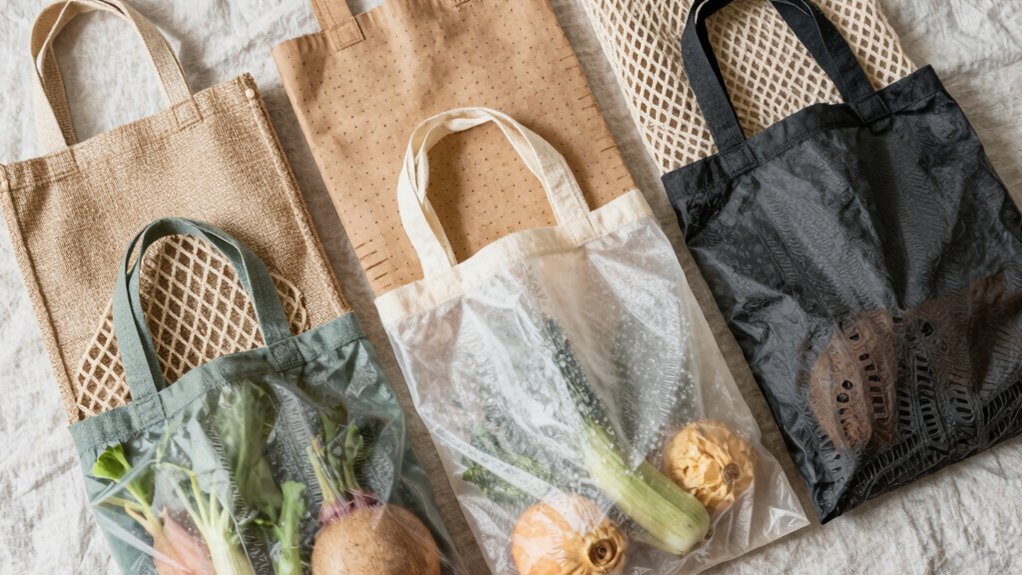
You’re probably tossing produce scraps into regular bags without realizing how much better compostable options can work. Whether you’re managing a kitchen bin or supporting local composting programs, you’ll want to know which bags actually hold up and break down properly. The right choice depends on your specific needs—and there’s more to consider than you might think.
| UNNI Compostable Trash Bags 2.6 Gallon (100 Count) |  | Best for Small Bins | Certifications: BPI, CMA, OK compost HOME | Material Composition: Plant-based materials | Quantity Per Package: 100 bags | CHECK ON AMAZON | Read Our Analysis |
| OrangeBio Certified Home Compostable Produce Bags (250-Count) |  | Best Multipurpose Option | Certifications: BPI, DIN CERTCO, OK Compost Home | Material Composition: Plant-based, plastic-free | Quantity Per Package: 250 bags | CHECK ON AMAZON | Read Our Analysis |
| OrangeBio Certified Home Compostable Produce Bags (1000 Count) |  | Best Bulk Value | Certifications: BPI, DIN CERTCO, OK Compost Home | Material Composition: Plant-based, plastic-free | Quantity Per Package: 1,000 bags | CHECK ON AMAZON | Read Our Analysis |
| GreFusion Compostable Bags for Kitchen Compost Bin (125 Count) |  | Best Odor Control | Certifications: BPI, OK Compost HOME | Material Composition: Corn starch-based | Quantity Per Package: 125 bags | CHECK ON AMAZON | Read Our Analysis |
| SUPERBIO Compostable Food Scrap Bags 1.6 Gallon (50-Count) |  | Best Handle Design | Certifications: BPI, OK compost INDUSTRIAL | Material Composition: Compostable (material type not specified) | Quantity Per Package: 50 bags | CHECK ON AMAZON | Read Our Analysis |
More Details on Our Top Picks
UNNI Compostable Trash Bags 2.6 Gallon (100 Count)
Looking for an efficient way to manage kitchen scraps without the guilt of plastic waste? UNNI Compostable Trash Bags offer you a reliable solution for your composting needs. These 2.6-gallon liners feature plant-based materials and measure 16.3 by 16.5 inches, fitting perfectly into compact kitchen bins. At 0.71 mil thickness, they handle daily food scraps and peels with everyday strength. You’ll appreciate the 100-bag count per roll, providing long-term value. UNNI bags hold multiple certifications including BPI, CMA, and OK compost HOME by TÜV AUSTRIA, ensuring genuine compostability. Store them in cool, dry conditions and use within nine months for optimal performance. Check local composting facility availability before purchasing, as commercial composting options vary by region.
- Certifications:BPI, CMA, OK compost HOME
- Material Composition:Plant-based materials
- Quantity Per Package:100 bags
- Capacity/Size:2.6 gallon (9.84 liter)
- Primary Use Case:Small kitchen food-scrap bin liners
- Shelf Life/Storage Duration:Use within 9 months
- Additional Feature:Compact kitchen bin design
- Additional Feature:Home/backyard compostable certified
- Additional Feature:9-month optimal performance window
OrangeBio Certified Home Compostable Produce Bags (250-Count)
Want a produce bag that’s certified compostable and doesn’t compromise on durability? OrangeBio’s 250-count bags deliver exactly that. Each 14 x 18-inch bag holds up to 14 pounds while remaining tear-resistant and leak-proof, making them perfect for produce, bulk foods, and seafood. They’re certified by BPI and DIN CERTCO to meet ASTM D6400 and EN 13432 standards, decomposing completely into water, CO2, and organic matter without leaving microplastics or toxins behind. Made from plant-based materials entirely free of polyethylene and BPA, these bags reduce your carbon footprint while offering an easy self-opening feature that keeps contents secure during transport.
- Certifications:BPI, DIN CERTCO, OK Compost Home
- Material Composition:Plant-based, plastic-free
- Quantity Per Package:250 bags
- Capacity/Size:14 x 18 inches (produce bags)
- Primary Use Case:Produce, grocery shopping, multipurpose
- Shelf Life/Storage Duration:Not specified
- Additional Feature:Enhanced self-opening feature
- Additional Feature:Holds up to 14lbs
- Additional Feature:Multipurpose grocery/storage use
OrangeBio Certified Home Compostable Produce Bags (1000 Count)
If you’re seeking bulk compostable bags that won’t compromise on durability or environmental integrity, OrangeBio’s 1000-count option delivers. These 14×18-inch bags hold up to 14 lbs, making them ideal for grocery shopping, meal prep, and home organization. You’ll appreciate the enhanced self-opening feature that keeps produce secure while remaining easy to access. Certified by BPI, DIN CERTCO, and OK Compost Home, they meet ASTM D6400 and EN 13432 standards across multiple regions. Crafted from plant-based materials without polyethylene, they’re genuinely plastic-free. The bulk quantity dramatically reduces per-bag costs while minimizing waste through reusability—perfect for households committed to sustainable living.
- Certifications:BPI, DIN CERTCO, OK Compost Home
- Material Composition:Plant-based, plastic-free
- Quantity Per Package:1,000 bags
- Capacity/Size:14 x 18 inches (produce bags)
- Primary Use Case:Produce, grocery shopping, multipurpose
- Shelf Life/Storage Duration:Not specified
- Additional Feature:Reusable multiple-use design
- Additional Feature:Regional compostability compatibility
- Additional Feature:Bulk quantity value option
GreFusion Compostable Bags for Kitchen Compost Bin (125 Count)
The GreFusion Compostable Bags for Kitchen Compost Bin (125 Count) is the best choice for eco-conscious households that want to eliminate plastic waste while maintaining a clean, odor-free composting system. These corn starch-based liners fit most 0.75 to 1.2 gallon countertop bins and feature leak-proof construction with tear-resistant durability. The integrated bottom seam prevents messy spills while odor control technology keeps your kitchen fresh. You’ll appreciate the 125-count supply for consistent use across multiple rooms. BPI and ASTM certified, they’re compostable in bins, green waste collections, or worm farms, breaking down fully without environmental harm.
- Certifications:BPI, OK Compost HOME
- Material Composition:Corn starch-based
- Quantity Per Package:125 bags
- Capacity/Size:1.2 gallon (4.5-5 liter range)
- Primary Use Case:Small countertop compost bin liners
- Shelf Life/Storage Duration:Not specified
- Additional Feature:Integrated leak-proof bottom seam
- Additional Feature:Odor control technology
- Additional Feature:Fits 0.75-1.3 gallon bins
SUPERBIO Compostable Food Scrap Bags 1.6 Gallon (50-Count)
Looking for a convenient way to separate food scraps before they reach your larger compost bin? SUPERBIO’s 1.6 gallon bags offer an excellent countertop solution. Each roll contains 50 durable bags featuring reinforced star-sealed bottoms and convenient handle ties that securely hold heavy loads without tearing. The bags are BPI-certified commercially compostable and meet ASTM D6400 standards, ensuring they’ll break down properly in industrial facilities. You’ll appreciate their compact 6-liter size, perfect for kitchen use. Just remember to dispose of filled bags within three days, especially if they contain acidic waste. Verify that commercial composting facilities exist in your area before purchasing.
- Certifications:BPI, OK compost INDUSTRIAL
- Material Composition:Compostable (material type not specified)
- Quantity Per Package:50 bags
- Capacity/Size:1.6 gallon (6 liter)
- Primary Use Case:Countertop compost bin liners
- Shelf Life/Storage Duration:Approximately 1 year
- Additional Feature:Handle tie convenience feature
- Additional Feature:Star-sealed reinforced bottom
- Additional Feature:Patented processing technology
Factors to Consider When Choosing Produce Bags for Composting
When you’re shopping for compostable produce bags, you’ll want to verify certification standards like ASTM D6400 or EN 13432 to ensure they’ll actually break down in your facility. You should also evaluate the material composition, size options, and tear resistance of any bag you’re considering, since these factors directly impact how well they’ll perform during collection and processing. Finally, check what composting programs operate in your area, as not all facilities accept every type of compostable bag.
Certification Standards Matter
Why settle for produce bags without verified compostability credentials? You’ll want to prioritize certifications like BPI, DIN CERTCO, and OK Compost Home, which guarantee your bags meet rigorous compostability standards. Look for compliance with ASTM D6400 and EN 13432—these widely recognized tests ensure your bags will actually break down properly.
Pay attention to whether bags are labeled “home compostable” or suited for industrial facilities only. This distinction matters because it determines where you can actually compost them. Additionally, seek bags made from plastic-free, plant-based materials that decompose into water, CO2, and organic matter without leaving microplastics behind.
Finally, verify that your chosen bags pass multiple-region standards across the US and Europe. This compatibility ensures your bags align with local composting programs and regulations in your area.
Material Composition Considerations
What makes a produce bag truly compostable? The material composition is everything. You’ll want bags made from plant-based, plastic-free materials that naturally break down without leaving harmful residues. Avoid anything containing polyethylene or BPA, as these synthetic compounds won’t decompose in home composting environments.
Look for bags crafted from materials like certified compostable polymers or plant-based alternatives that meet rigorous standards. These materials decompose into water, CO2, and organic matter—nothing toxic or microplastic remains behind.
Beyond compostability, consider practical durability. Your bags must withstand the demands of produce transport, resisting tears and leaks while still maintaining their eco-friendly integrity. The right material balance ensures you’re getting both functionality and genuine environmental benefit from your composting efforts.
Size And Capacity Needs
Getting the right bag size matters more than you might think. You’ll want to match your bag dimensions to your countertop bin’s capacity—typically 1.2 to 1.6 gallons for small bins or 2.6 gallons for compact kitchen spaces. Check that bags are 15–16 inches wide and 15–19 inches tall to fit snugly without bunching or sagging.
Look for bags with stated capacity limits, like “holds up to 14 lbs,” to prevent overfilling and messy leaks. This ensures your compostable bags work efficiently with your bin setup. Additionally, consider how many bags come per roll or package based on your household’s composting frequency. Choosing the right quantity prevents you from running out too quickly or stockpiling excess bags that take up storage space.
Durability And Tear Resistance
Once you’ve settled on the right bag size for your composting routine, you’ll want to ensure those bags can actually withstand what you’re putting in them. Look for bags made with thicker liners—around 0.71 mil—which provide superior tear resistance when handling heavier scraps. High-density blends with reinforced bottoms prevent leaks and ruptures when dealing with bulky or moist produce. Check for design features like star-sealed bottoms or leak-proof seams that genuinely support tear-resistant claims. Self-opening features reduce stress on bag edges during handling, minimizing accidental tears. When evaluating options, balance durability with compostability standards to ensure your bags perform reliably without compromising environmental goals.
Local Composting Availability
Where you live fundamentally shapes which produce bags will actually work for your composting goals. Your area’s composting infrastructure directly determines which bag type you’ll need. Some regions offer robust curbside or drop-off programs, while others lack municipal composting entirely.
Before purchasing any compostable bags, check your local municipality or county waste management website. You’ll discover whether industrial composting facilities exist nearby and what materials they accept. Some programs embrace certified compostable bags, while others require only paper or untreated materials.
Program changes happen frequently, so verify current acceptance lists before buying. Seasonal variations may also affect what your facility processes. This research takes minutes but prevents wasting money on bags your local system won’t accept.
Cost Per Bag Analysis
Calculating your actual cost per bag reveals which option truly offers the best value—and it’s simpler than you’d think. Divide the package price by the total bag count to compare options fairly—whether you’re evaluating a 100-bag roll against a 250-count box.
You’ll also want to match bag size to your composting needs. Oversized liners waste money if you only need 1.2–1.6 gallon capacity. Consider your composting frequency too. Buying in bulk (250–1000 counts) makes sense if you compost regularly, but smaller quantities (50–125 bags) prevent unused inventory.
Don’t overlook durability. Higher-quality bags with fewer tears reduce your effective cost per usable bag. Finally, verify certifications. Cheaper uncertified bags may create hidden disposal costs or inefficiencies that offset initial savings.
Multipurpose Versus Single-Use Design
Should you invest in multipurpose produce bags or opt for single-use designs? The answer depends on your composting goals and environmental priorities.
Multipurpose bags reduce waste greatly since you’ll reuse them across shopping, storage, and transport. They’re built with durable seams and self-opening features to withstand repeated handling. However, they must be certified compostable to avoid micropollution in composting systems.
Single-use bags prioritize low cost and simple disposal but generate more waste unless they’re specifically certified compostable. They’re not designed for durability, so they won’t survive multiple uses.
Consider your composting method—home or industrial—as compatibility varies. Multipurpose bags offer better long-term environmental impact despite higher upfront costs, while single-use bags only benefit the environment if properly certified and disposed of through appropriate composting channels.
Frequently Asked Questions
What Is the Environmental Impact of Compostable Bags Compared to Traditional Plastic Bags?
You’ll find compostable bags break down in months, reducing landfill waste, while traditional plastic bags persist for centuries. You’re choosing biodegradability over pollution when you select compostable options.
How Long Do Compostable Produce Bags Take to Fully Decompose in Home Compost?
You’ll find that compostable produce bags typically break down in 6-12 months in your home compost pile. However, you’ll need adequate heat, moisture, and oxygen for optimal decomposition. You may notice slower breakdown in cooler climates.
Are Compostable Bags Safe for Composting With Food-Sensitive Plants or Vegetables?
You’ll find compostable bags are safe for food-sensitive plants when they’re fully decomposed. They’re designed to break down completely, leaving no harmful residue. You should guarantee complete decomposition before planting sensitive vegetables in your compost.
Can Compostable Bags Be Used in Commercial Composting Facilities Versus Home Composting?
You can use compostable bags in commercial facilities, where they’ll break down faster due to higher temperatures and controlled conditions. However, you shouldn’t use them for home composting since they won’t fully decompose in cooler environments.
What Certifications Should Consumers Look for When Purchasing Compostable Produce Bags?
You should look for certifications like EN 13432, BPI, or ASTM D6868. These’ll ensure your bags truly biodegrade in commercial facilities. Check labels carefully—they’re your guarantee that you’re buying genuinely compostable products.



Leave a Reply