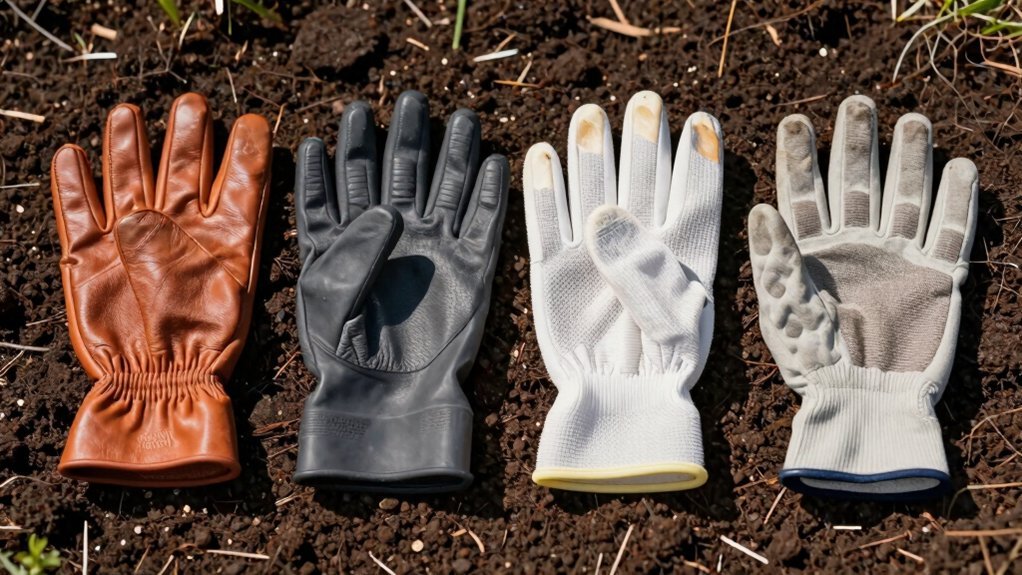
You’re managing compost, gardening, or food prep tasks, and you’ve realized that standard gloves just don’t cut it. You need protection that aligns with your sustainability values—gloves that actually break down instead of lingering in landfills for decades. But which option truly delivers on durability, comfort, and environmental impact? We’ve tested the top contenders to help you decide.
| FRAMAR Green Disposable Nitrile Gloves Medium (100-Pack) | 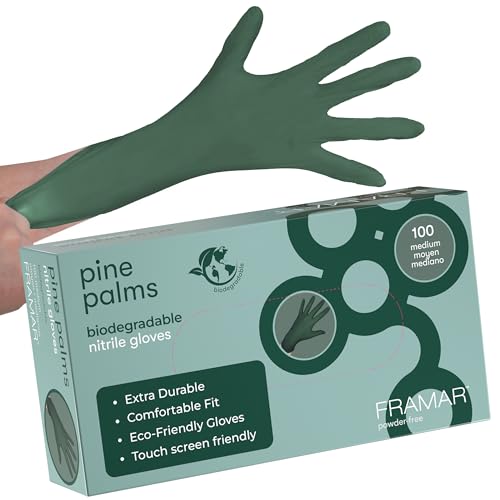 | Best Multi-Purpose | Compostability: Biodegradable nitrile | Material Type: Nitrile | Latex-Free: Yes | CHECK ON AMAZON | Read Our Analysis |
| UNNI Compostable Food Prep Gloves for Food Handling | 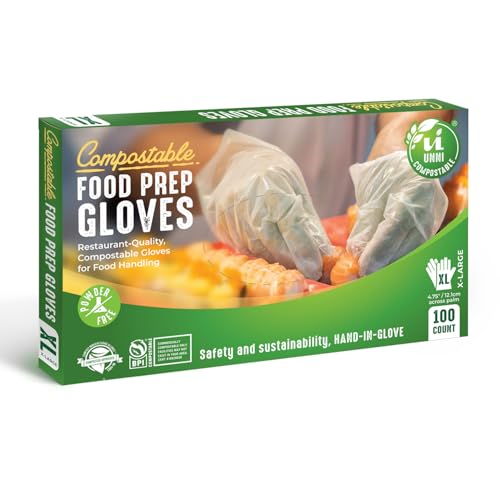 | Most Certified | Compostability: Compostable (certified) | Material Type: Plant-based (unspecified) | Latex-Free: Yes (implied) | CHECK ON AMAZON | Read Our Analysis |
| 100% Compostable Disposable Gloves Latex Free (100CT) |  | Best Overall | Compostability: 100% compostable (certified) | Material Type: Vegetable starch (corn starch) | Latex-Free: Yes | CHECK ON AMAZON | Read Our Analysis |
| COOLJOB Gardening Gloves for Women with Grip (6-Pack) |  | Not Compostable | Compostability: Not compostable | Material Type: Knitted fabric with foam latex coating | Latex-Free: Yes | CHECK ON AMAZON | Read Our Analysis |
More Details on Our Top Picks
FRAMAR Green Disposable Nitrile Gloves Medium (100-Pack)
Are you looking for an eco-conscious glove that doesn’t sacrifice durability? FRAMAR’s Green Disposable Nitrile Gloves deliver exactly that. These 9-inch medium gloves feature 100% biodegradable nitrile, making them an environmentally responsible choice for composting. You’ll appreciate their heavy-duty construction—they’re puncture-resistant, chemical-resistant, and resistant to tearing, ensuring reliable protection during messy yard work. The powder-free, textured design gives you excellent grip and dexterity, so you’ll maintain precise control while handling compost materials. They’re easy to slip on and remove, even when wet. With 100 gloves per box and a convenient dispenser, you’ve got a practical, sustainable solution for protecting your hands while gardening and composting.
- Compostability:Biodegradable nitrile
- Material Type:Nitrile
- Latex-Free:Yes
- Quantity:100 gloves (1 box)
- Primary Use:Multi-purpose (hair, food, cleaning, mechanic)
- Grip/Texture:Finely textured
- Additional Feature:100% biodegradable nitrile material
- Additional Feature:Multi-purpose professional applications
- Additional Feature:Chemical and puncture-resistant
UNNI Compostable Food Prep Gloves for Food Handling
If you’re handling food while striving to minimize your environmental impact, UNNI’s compostable gloves deliver the protection you need without the guilt. These San Francisco-based gloves combine comfort with sustainability, meeting rigorous certifications including ASTM D6400, US BPI, CMA, and Europe OK Compost. You’ll appreciate their reliable fit during food prep tasks while knowing they’ll break down naturally in composting facilities. UNNI’s design philosophy prioritizes both functionality and environmental responsibility, ensuring you’re not sacrificing performance for eco-consciousness. By choosing these gloves, you’re actively supporting sustainable living and protecting the planet for future generations.
- Compostability:Compostable (certified)
- Material Type:Plant-based (unspecified)
- Latex-Free:Yes (implied)
- Quantity:Not specified
- Primary Use:Food handling
- Grip/Texture:Comfortable fit
- Additional Feature:Multiple compost certifications
- Additional Feature:San Francisco sustainable brand
- Additional Feature:Eco-conscious mission-driven company
100% Compostable Disposable Gloves Latex Free (100CT)
You’ll want these 100% compostable, latex-free gloves if you’re serious about reducing your environmental impact without sacrificing durability. Made from sustainable vegetable starch, they’re thick enough for demanding food prep tasks—from marinating meats to handling greasy seafood. The 100-count box offers excellent value, with each glove measuring 9.1 by 11 inches. They’re certified compostable via ASTM D6400 and D6868 standards, breaking down in municipal, industrial, or home composters. Free from polyethylene, BPA, and bleach, they’re genuinely plastic-free. Store them away from moisture and sunlight, using them within nine months for optimal performance. These gloves prove you don’t compromise safety or comfort when choosing earth-friendly alternatives.
- Compostability:100% compostable (certified)
- Material Type:Vegetable starch (corn starch)
- Latex-Free:Yes
- Quantity:100 gloves (1 box)
- Primary Use:Food prep
- Grip/Texture:Food-grade, comfortable
- Additional Feature:Home composter compatible
- Additional Feature:Vegetable starch-based construction
- Additional Feature:BPA-free, plastic-free, unbleached
COOLJOB Gardening Gloves for Women with Grip (6-Pack)
The COOLJOB 6-pack stands out as the ideal choice for gardeners who want versatility and value without sacrificing quality. You’ll appreciate the lightweight, breathable knitted base paired with flexible foam latex coating that delivers a soft yet sturdy grip. The mint green and bright red colors help you locate gloves quickly among garden tools. Thickened fingertips protect your hands during weeding, planting, and picking, while the extended cuff keeps dirt out. You can tackle yard work, landscaping, and DIY projects with confidence. Machine washable at gentle cycle or hand wash settings, these durable gloves offer exceptional value for families sharing gardening responsibilities.
- Compostability:Not compostable
- Material Type:Knitted fabric with foam latex coating
- Latex-Free:Yes
- Quantity:6 pairs (12 gloves total)
- Primary Use:Gardening and yard work
- Grip/Texture:Non-slip grip with foam latex coating
- Additional Feature:Machine washable design
- Additional Feature:Color-coded pairs included
- Additional Feature:Thickened fingertip protection
Factors to Consider When Choosing Compost Gloves
When you’re selecting compost gloves, you’ll want to evaluate the material composition and durability to ensure they’ll withstand regular use in your garden. Consider the compostability standards and certifications, thickness and protection level, and comfort and fit quality—all of which directly affect how well the gloves perform during your composting work. You should also assess the environmental impact of your choice to align your purchase with your sustainability values.
Material Composition And Durability
Selecting the right material for your compost gloves profoundly impacts both performance and environmental responsibility. You’ll want gloves made from compostable materials like vegetable starch or corn starch that meet ASTM D6400 and D6868 standards, ensuring genuine compostability. Look for latex-free, BPA-free formulations that reduce chemical exposure while improving tear resistance.
Durability depends heavily on thickness and reinforcement. Extra-thick gloves provide superior puncture and tear resistance for demanding composting tasks. Consider your intended use—whether industrial or home composting—since material composition determines how quickly gloves break down and leave minimal residue.
Balancing sturdiness with compostability ensures your gloves perform reliably while facilitating proper disposal in composting facilities. Check storage guidance to maintain material integrity before use, maximizing both protection and environmental benefit.
Compostability Standards And Certifications
Beyond material quality, you’ll need to verify that your compost gloves actually meet recognized compostability standards. Look for certifications like ASTM D6400 or ASTM D6868, which establish measurable criteria for biodegradation in industrial or home composting environments. The US BPI (Biodegradable Products Institute) verifies products against these standards, ensuring they disintegrate within specific timeframes. In Europe, seek OK Compost certification, which confirms compliance with regional composting guidelines.
Critically, distinguish between industrial-compostable and home-compostable gloves. Some products only break down in commercial facilities with controlled temperatures and conditions—they won’t decompose in your backyard pile. Understanding this distinction prevents purchasing gloves unsuitable for your composting method. Always check the product label for certification marks and composting requirements before committing to a purchase.
Thickness And Protection Level
The thickness of your compost gloves directly impacts their protective capability and functionality. Thicker gloves deliver superior puncture resistance and durability, crucial when handling sharp materials or heavy debris. However, you’ll need to balance protection with practicality—extra-thick options reduce tactile sensitivity and dexterity, potentially hindering your ability to sort compost effectively.
Look for multi-layer construction or reinforced fingertips as indicators of protective quality. When reviewing compostable glove options, check whether manufacturers emphasize sturdiness for extended use. Consider your specific tasks: delicate sorting work demands thinner gloves for precision and grip, while heavy-duty turning and handling sharp objects justify thicker, more protective materials.
Match thickness levels to your actual composting demands rather than defaulting to maximum protection.
Comfort And Fit Quality
While thickness determines how well your gloves shield against hazards, comfort and fit quality determine whether you’ll actually wear them consistently and work effectively. You’ll want gloves that fit snugly without restricting movement, as proper sizing reduces hand fatigue during extended use and prevents slipping or excessive compression.
Look for ambidextrous designs or options matching your hand measurements—medium, large, and so on. A secure cuff and appropriate finger length keep debris out while improving overall wear comfort. Breathable or textured surfaces enhance comfort by minimizing moisture buildup and maintaining grip sensitivity, which matters when handling moist materials.
For compost work specifically, opt for latex-free, powder-free gloves. These minimize skin irritation during prolonged contact with decomposing materials and fatty foods, keeping your hands comfortable throughout the job.
Environmental Impact Assessment
If you’re committed to sustainable composting practices, you’ll want to contemplate how your glove choice affects the environment beyond just the composting process itself. Look for certifications like ASTM D6400, US BPI, or OK Compost—these guarantee your gloves break down properly in composting facilities. Consider whether you’ll access industrial composting or need home-compostable options, as some gloves require specific environments for decomposition.
Choose 100% compostable gloves made from vegetable starch like corn starch to avoid petroleum-based plastics and BPA. When properly composted and diverted from landfills, these gloves significantly lower your carbon footprint compared to traditional disposable alternatives. Verify facility compatibility before purchasing to ensure your gloves actually reach composting systems rather than standard trash streams, maximizing their environmental benefits.
Storage And Shelf Life
Once you’ve selected environmentally responsible gloves, proper storage becomes your next consideration to protect your investment and maintain their performance. Store your compost gloves in a cool, dry place away from direct sunlight to preserve material integrity and prevent premature degradation. Keep them in their original packaging or a sealed container to minimize moisture exposure and dust contamination.
Monitor shelf life claims—typically around nine months—and use older stock first to avoid performance loss. Check storage condition guidelines on your packaging to maintain elasticity, fit, and barrier properties. Crucially, avoid storing gloves near rodents or chemicals, as contamination compromises both safety and compostability. By following these storage practices, you’ll ensure your gloves remain reliable whenever you need them.
Intended Use And Applications
How do you know which compost gloves will actually work for your specific tasks? Your intended use should dictate your choice. You’ll need different materials and protection levels depending on whether you’re composting, handling food, or gardening.
Composting tasks expose you to decomposing materials, heat, and moisture, so you’ll want durable, waterproof gloves with strong barrier protection. Food-handling applications require latex-free options that meet food-safety standards. Gardening tasks might need lighter gloves prioritizing grip and dexterity.
Consider the specific conditions you’ll encounter. You’ll benefit from thicker gloves if you’re handling rough materials or sharp objects. If you’re working with wet items frequently, prioritize water-resistant features. Matching your gloves to your actual tasks ensures comfortable wear, adequate protection, and optimal performance throughout extended use.
Frequently Asked Questions
How Long Can Compost Gloves Be Worn Continuously Before Needing Replacement?
You’ll typically wear compost gloves continuously for 2-4 hours before they need replacement. Their durability depends on material quality and compost conditions. You should inspect them regularly for tears, punctures, or moisture saturation throughout use.
What Is the Proper Way to Dispose of Used Compost Gloves Responsibly?
You should rinse your used compost gloves thoroughly, then toss them in your compost bin if they’re biodegradable, or recycle them if they’re made from recyclable materials. Check the manufacturer’s label first.
Do Compost Gloves Provide Adequate Protection Against Harmful Bacteria and Pathogens?
You’ll find that quality compost gloves offer substantial protection against harmful bacteria and pathogens when you’re handling organic waste. They’re not completely impenetrable, though, so you shouldn’t neglect proper hand hygiene afterward.
Can Compost Gloves Be Reused After Washing, or Are They Single-Use Only?
You can reuse most compost gloves after washing them thoroughly with soap and water. However, you’ll want to inspect them regularly for tears or deterioration. Single-use gloves aren’t necessary for composting.
Are There Hypoallergenic Options Available for People With Sensitive Skin Conditions?
You’ll find hypoallergenic compost gloves made from latex-free materials like nitrile or cotton blends. These options protect your sensitive skin while you’re handling compost, preventing irritation and allergic reactions effectively.


Leave a Reply